2026. September 21. Monday
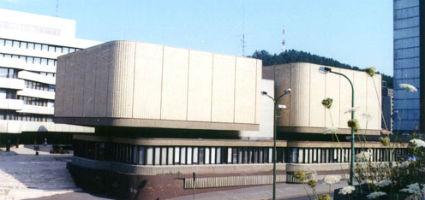
Bela Dornyay Museum - Salgótarján
 |
Address: 3100, Salgótarján Múzeum tér 2.
Phone number: (32) 520-700
E-mail: titkarsag@dornyaymuzeum.hu
Opening hours: Tue-Sun 9-16
|
The exhibition has closed for visitors.
2006.09.01. - 2006.11.10.
Share it, if you like it:


Museum tickets, service costs:
|
Ticket for adults
|
630 HUF
|
/ capita
|
|
Ticket for students
|
315 HUF
|
/ capita
|
|
Ticket for students
(valid for the chamber exhibition)
|
100 HUF
|
/ capita
|
|
Ticket for pensioners
|
315 HUF
|
/ capita
|
|
Ticket for pensioners
(valid for the chamber exhibition)
|
100 HUF
|
/ capita
|
|
Ticket for families
|
1500 HUF
|
|
|
Combined ticket for adults
(valid for the Nógrád Historical Museum + the Mining Exhibition)
|
1050 HUF
|
/ capita
|
|
Combined ticket for students
(valid for the Nógrád Historical Museum + the Mining Exhibition)
|
525 HUF
|
/ capita
|
|
Combined ticket for pensioners
(valid for the Nógrád Historical Museum + the Mining Exhibition)
|
525 HUF
|
/ capita
|
|
Sponsors' ticket
(minimal cost )
|
100 HUF
|
/ capita
|
|
Professional guide
|
3150 HUF
|
|
|
Photography
|
300 HUF
|
|
|
Video
|
500 HUF
|
The traditional paper dragoons and spinners of Japan were prepared for an exhibition in 1990. The three-dimensional dragons hanging from the ceiling at the exhibition provide view of a magic world.

The different regions of Japan have dragons of varied forms and patterns. They are both beautiful and providers of fun.
The dragons are of varied size: we show larger and smaller dragons too. The smaller spinners can be held on the palm.
The material owned by the Budapest Office of the Japanese Foundation has been shown in several museums of Middle Europe and the towns of Hungary in 2005: Győr, Gyula, Sopron, Szeged, Zalaegerszeg. Now the visitors may see them in Salgótarján in the Nógrád Historic Museum.
The different regions of Japan have dragons of varied forms and patterns. They are both beautiful and providers of fun.
The dragons are of varied size: we show larger and smaller dragons too. The smaller spinners can be held on the palm.
The material owned by the Budapest Office of the Japanese Foundation has been shown in several museums of Middle Europe and the towns of Hungary in 2005: Győr, Gyula, Sopron, Szeged, Zalaegerszeg. Now the visitors may see them in Salgótarján in the Nógrád Historic Museum.
|
|