2026. May 28. Thursday
Bata Region House - Báta
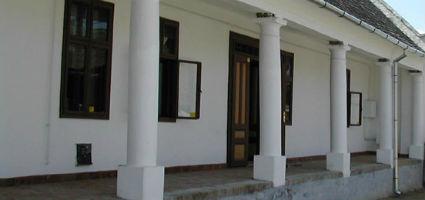 |
Address: 7149, Báta Fő u. 86.
Phone number: (74) 490-558, (20) 576-4130
E-mail: batai.tajhaz@gmail.com
Opening hours: Tue 8-12, Thu, Sat 13-17
|
The exhibition has closed for visitors.
2005.05.14. - 2005.12.31.
Share it, if you like it:


Museum tickets, service costs:
|
Ticket for adults
|
500 HUF
|
|
|
Ticket for children
|
250 HUF
|
Sárköz is one of the richest places of Hungarian folk art. After the regulation of the river Danube the population became considerably rich and a new folk clothing developed that lead to the progress of new embroidery, textile, lace etc.
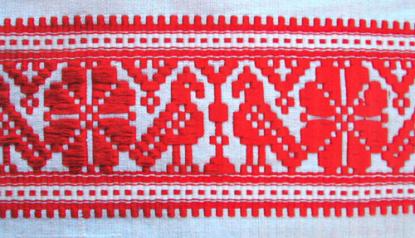
That the people in Báta were catholic unlike the population of other villages was mirrored in their cloths. Painting eggs was only popular among the people of Báta in Sárköz. Wax was used to write on the eggs that were painted red, green yellow or black afterwards. After wax was wiped off, the pattern shone in the original color of the egg.
The Catholics of Báta wore 'Pond with knot'. The so-called "pöndőkötés" is a kind of lace used to connect the edges of textiles sewn to the bottom of the underskirt. The textile tablecloths were done with the same technique. The brooms' shirt were ornamented with white embroidery. A characteristic of Sárköz is the table cloths worn as apron. This feature suggests a relationship with Slavic cultures.
Rich families had more than fifty tablecloths made a year with varied patterns paying attention to the harmony of colors. The basic color of tablecloths was white; the patterns were red and blue. Women wore simple cloths when working around the house.
The coif of the girls of the Reformed Church was made with wide pearl collar embroidered with white thread on black muslin. Ornamented fringe was tied to the aprons and veils.
We show the original pieces that belong to the country house and the artisan works inspired by them.
That the people in Báta were catholic unlike the population of other villages was mirrored in their cloths. Painting eggs was only popular among the people of Báta in Sárköz. Wax was used to write on the eggs that were painted red, green yellow or black afterwards. After wax was wiped off, the pattern shone in the original color of the egg.
The Catholics of Báta wore 'Pond with knot'. The so-called "pöndőkötés" is a kind of lace used to connect the edges of textiles sewn to the bottom of the underskirt. The textile tablecloths were done with the same technique. The brooms' shirt were ornamented with white embroidery. A characteristic of Sárköz is the table cloths worn as apron. This feature suggests a relationship with Slavic cultures.
Rich families had more than fifty tablecloths made a year with varied patterns paying attention to the harmony of colors. The basic color of tablecloths was white; the patterns were red and blue. Women wore simple cloths when working around the house.
The coif of the girls of the Reformed Church was made with wide pearl collar embroidered with white thread on black muslin. Ornamented fringe was tied to the aprons and veils.
We show the original pieces that belong to the country house and the artisan works inspired by them.
|
|