Event calendar
2025. December
1
2
3
4
5
6
7
8
9
10
11
12
13
14
15
16
17
18
19
20
21
22
23
24
25
26
27
28
29
30
31
1
2
3
4
2025.05.28. - 2025.09.28.
Budapest
2025.04.17. - 2025.05.17.
Budapest
2025.04.10. - 2025.05.11.
Szombathely
2025.04.07. - 2025.04.11.
Budapest
2025.03.28. - 2025.05.11.
Budapest
M80
2025.03.05. - 2025.09.15.
Budapest
2025.02.06. - 2025.05.11.
Budapest
2024.12.13. - 2025.06.30.
Budapest
2024.12.12. - 2025.06.01.
Budapest
2024.10.15. - 2025.08.31.
Budapest
2012.03.01. - 2012.03.31.
Vác
2012.02.01. - 2012.02.29.
Miskolc
2012.01.22. - 1970.01.01.
Budapest
2011.10.04. - 1970.01.01.
Nagykáta
2011.10.01. - 1970.01.01.
Nagykáta
2011.10.01. - 1970.01.01.
Nagykáta
2011.09.30. - 1970.01.01.
Nagykáta
2011.09.30. - 1970.01.01.
Nagykáta
2011.07.04. - 2011.07.08.
Budapest
Municipal Museum of Pásztó - Pásztó
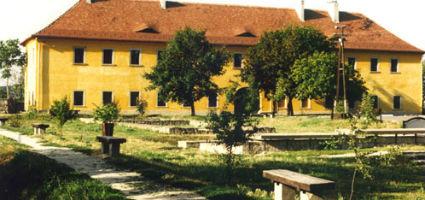
The museum building
Address: 3060, Pásztó Múzeum tér 5.
Phone number: (32) 460-194
Opening hours: Mon-Fri 8-16, Sat 9-15
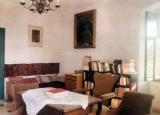
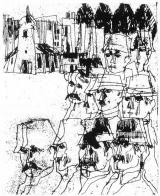
The reconstruction work of the medieval glassworks in 1989. In the monastery the Benjámin Rajeczky memorial room and the first exhibition of the cistercian order. The library of the town had been functioning in the museum building till 1997. In October 1997 the permanent exhibition entitled "To the memory of Kálmán Csohány". continue
Permanent exhibitions
A taste of the exhibition
After the change of regime the Hungarian Cistercian Order demanded and gained back the monastery building, which was handed over to Pásztó for museologic purposes. One of the conditions was to demonstrate the history and monasteries of the Hungarian Cistercian Order. continue
A taste of the exhibition
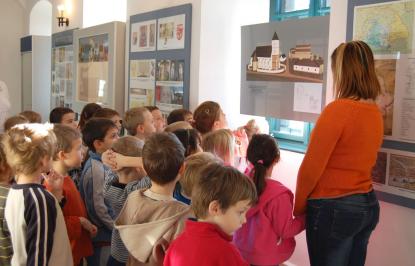
A new exhibition on the history of the town opened at the Pásztó Museum at the end of 2007, on the 600th anniversary of Pásztó's declaration to market town. continue
A taste of the exhibition
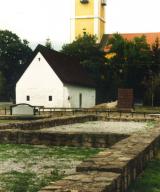
The building has three divisions: the portal leads ibto the kitchen, and the room opening to the North was served as a lard. Herein there were three pieces of grain container dug into the floor. These holes proved a real archaeological sensation, for almost the whole scale of th 15-16th century housekeeping instruments were discovered in hem. Possibly the news of the Turkish approach (1551) made the school master to flee and carefully hide his values in the holes. continue