2026. June 6. Saturday
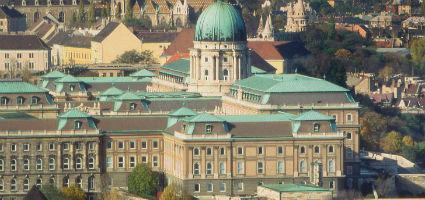
Budapest History Museum - Budapest
 |
Address: 1014, Budapest Szent György tér 2.
Phone number: (1) 487-8800, (1) 487-8801
E-mail: btm@mail.btm.hu
Opening hours: Tue-Sun 10-18
|
The exhibition has closed for visitors.
2009.09.19. - 2009.10.22.
Share it, if you like it:


Museum tickets, service costs:
|
Ticket for adults
|
2000 HUF
|
|
|
Ticket for students
|
1000 HUF
|
|
|
Group ticket for students
(over 10 people)
|
500 HUF
|
|
|
Ticket for pensioners
|
1000 HUF
|
|
|
Ticket for families
|
2200 HUF
|
/ family
|
|
Group guide
(up to 20 people)
|
7000 HUF
|
|
|
Group guide
(20-30 people)
|
9500 HUF
|
|
|
Group guide
|
14000 HUF
|
|
|
Group guide
|
18000 HUF
|
|
|
Audio guide
|
1200 HUF
|
|
|
Photography
|
1000 HUF
|
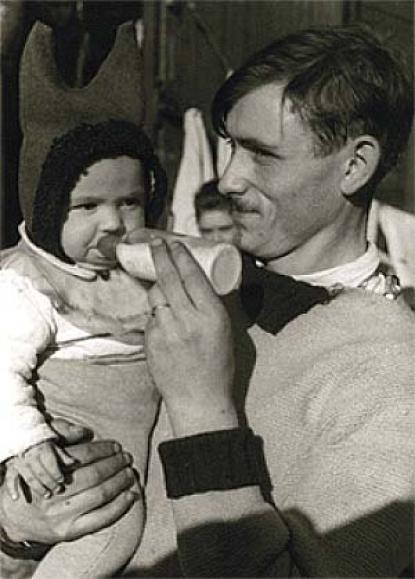
From the spring of 1939 at the period of the worsening Polish-German connections the Hungarian government did not want to interfere in a war conflict instead it wished to mediate between the two states. Considering the events the Teleki government was ready to accept Polish people without the knowledge of their exact number. It was stated that the government would follow international treaties and laws concerning military and civil refugees and they would not be handed over to Germany.
The case of Polish refugees so the soldiers were under the supervision of the Defence Ministry while civilians by the Ministry of Home Affairs. The help of international humanitarian organizations - like the Red Cross - was asked. The Polish case was the task within the Ministry of Home Affairs of the Central Office Controlling Foreigners and the 9th Department for Provision and Aid. The head of the latter was dr. József Antall councillor. He gave help to the work of the Illegal Hungarian basis of the Polish Home Army to promote Polish soldiers fleeing to the West. As a result of this activity he was arrested by the Gestapo following the occupation of Hungary in 19th March 1944 and was released by the demand of governor Miklós Horthy in September 1944.
During World War II around 100-140 thousand Polish refugees were staying in Hungary. In the fall of 1939 circa 70-90 thousand Polish soldiers and civilians entered the territory of Hungary. The majority left till the spring of 1940 but till the end of the war around 30 thousand soldiers and civilians stayed in Hungary as Poland did not surrender officially even after the defeat. Polish government and the military headquarters was reorganized in France and several outstanding politicians and military leaders fled to France often through Hungary.
The new government and army headquarters was working nearby Paris and following the German occupation of France in London. The Polish army was at that time under the leadership of the British Military Headquarters and as an ally took part in the fights in the Middle-East, later in Sicily and Southern Italy, Normandy taking part in the liberation of France and even in the military campaigns in Germany.
During this time in Hungary the case of Polish refugees - reaching far more than the legal frame of international treaties - became a social point, as besides financing them different laws were providing for their welfare. During the war a large number of Jewish people came to Hungary who were given Polish Catholic documents by Polish organizations and got the same help as other Polish immigrants.
The case of Polish refugees so the soldiers were under the supervision of the Defence Ministry while civilians by the Ministry of Home Affairs. The help of international humanitarian organizations - like the Red Cross - was asked. The Polish case was the task within the Ministry of Home Affairs of the Central Office Controlling Foreigners and the 9th Department for Provision and Aid. The head of the latter was dr. József Antall councillor. He gave help to the work of the Illegal Hungarian basis of the Polish Home Army to promote Polish soldiers fleeing to the West. As a result of this activity he was arrested by the Gestapo following the occupation of Hungary in 19th March 1944 and was released by the demand of governor Miklós Horthy in September 1944.
During World War II around 100-140 thousand Polish refugees were staying in Hungary. In the fall of 1939 circa 70-90 thousand Polish soldiers and civilians entered the territory of Hungary. The majority left till the spring of 1940 but till the end of the war around 30 thousand soldiers and civilians stayed in Hungary as Poland did not surrender officially even after the defeat. Polish government and the military headquarters was reorganized in France and several outstanding politicians and military leaders fled to France often through Hungary.
The new government and army headquarters was working nearby Paris and following the German occupation of France in London. The Polish army was at that time under the leadership of the British Military Headquarters and as an ally took part in the fights in the Middle-East, later in Sicily and Southern Italy, Normandy taking part in the liberation of France and even in the military campaigns in Germany.
During this time in Hungary the case of Polish refugees - reaching far more than the legal frame of international treaties - became a social point, as besides financing them different laws were providing for their welfare. During the war a large number of Jewish people came to Hungary who were given Polish Catholic documents by Polish organizations and got the same help as other Polish immigrants.
|
|