2026. June 7. Sunday
Town Museum of Gödöllő - Gödöllő
|
|
Address: 2100, Gödöllő Szabadság tér 5.
Phone number: (28) 422-002, (28) 422-003
E-mail: info@godolloimuzeum.hu
Opening hours: Wed-Sun 10-16
|
The exhibition has closed for visitors.
2003.01.12. - 2008.11.20.
Share it, if you like it:


Museum tickets, service costs:
|
Ticket for adults
(26-62 years of age)
|
600 HUF
|
|
|
Group ticket for adults
(over 15 people)
|
450 HUF
|
/ capita
|
|
Ticket for students
|
300 HUF
|
|
|
Group ticket for students
(over 15 people)
|
250 HUF
|
/ capita
|
|
Ticket for pensioners
|
300 HUF
|
|
|
Group ticket for pensioners
(over 15 people)
|
250 HUF
|
/ capita
|
|
Ticket for families
(2 adults + 2 children)
|
1000 HUF
|
/ family
|
|
Photography
|
250 HUF
|
Zoltán Mihály Csupor Catholic priest was placed to the smallest parish church of the Székesfehérvár bishopric in 1954. The famous citizen of the small village, astronomer and linguist János Sajnovics raised his interest. His collecting passion was soon extended to technology historcal, ethnographic, applied arts and archival materials as well.
He made a contract with the town of Gödöllő, according to which his collection would be inherited by the town, should he die. This private collection has been exhibited in Gödöllő since 1995.
The religious relics make up a particularly rich material of the collection. These relics were often placed in the altars of the churches. The beleivers often wore these around their neck.
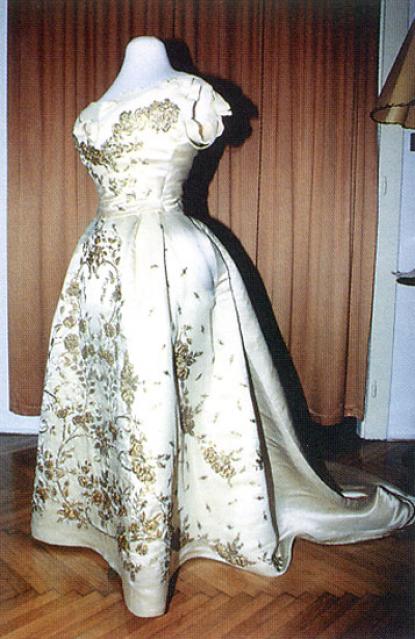
The exhibition also has a furniture and a map collection from the 17-18th centuries. We can see the hand writing of Mór Jókai, the belt of queen Elizabeth, the pipe of Ferenc Deák and the ink container of Prime Minister Gyula Andrássy. There is a spectacular and valuable dress, which - according to the tradition - used to belong to Queen ELisabeth's sister, who also wore it on the coronation festivity in 1867.
In June 1769 Venus passed in front of the Solar disc, which was most clearly captured from the Danish Vard, the observatory closest to the Northern Pole. János Sajnovics Jesuit monk managed to get to this place, where he began to study the Lappish language. In his book entitled Demonstratio falls idioma Ungarorum et Lapponum idem esse he set the fundaments of the Hungarian-Finnish lingual relations. A copy of the publication of the book is seen in the collection.
He made a contract with the town of Gödöllő, according to which his collection would be inherited by the town, should he die. This private collection has been exhibited in Gödöllő since 1995.
The religious relics make up a particularly rich material of the collection. These relics were often placed in the altars of the churches. The beleivers often wore these around their neck.
The exhibition also has a furniture and a map collection from the 17-18th centuries. We can see the hand writing of Mór Jókai, the belt of queen Elizabeth, the pipe of Ferenc Deák and the ink container of Prime Minister Gyula Andrássy. There is a spectacular and valuable dress, which - according to the tradition - used to belong to Queen ELisabeth's sister, who also wore it on the coronation festivity in 1867.
In June 1769 Venus passed in front of the Solar disc, which was most clearly captured from the Danish Vard, the observatory closest to the Northern Pole. János Sajnovics Jesuit monk managed to get to this place, where he began to study the Lappish language. In his book entitled Demonstratio falls idioma Ungarorum et Lapponum idem esse he set the fundaments of the Hungarian-Finnish lingual relations. A copy of the publication of the book is seen in the collection.
|
|