2026. October 12. Monday
Local Historical Collection - Hajdúdorog
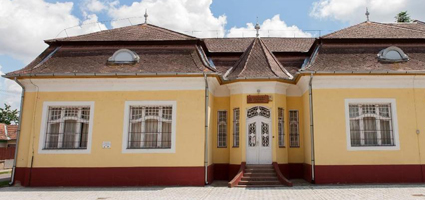 |
Address: 4087, Hajdúdorog Jaczkovics út 5.
Phone number: (30) 237-7360
E-mail: hdmuvhaz@gmail.com
Opening hours: On prior notice: beyond the opening hours as well
|
The exhibition has closed for visitors.
2005.08.20. - 2006.04.30.
Share it, if you like it:


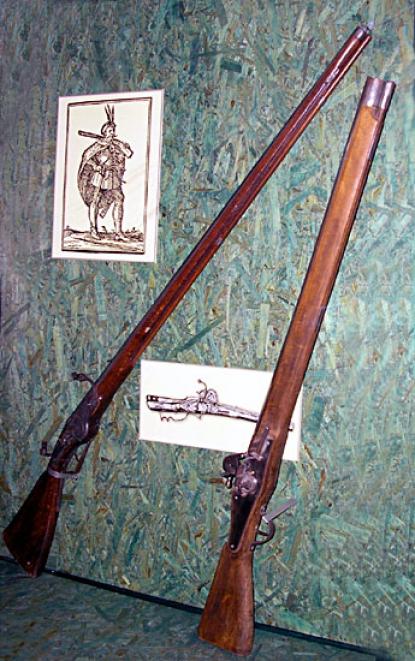
The aim of our exhibition is to present the Prince of the sole successful war of independence in Hungary. We wish to show his origins, his ties to the land of the Hajdúság, Bihar, Partium, Transylvania, and the poorer parts of our country. We would like to show how without his deeply committed personality the history of Hungary, the religious and national causes, the 15-year war (1591-1606) could have ended up with a lot morose outlays. The War of Independence led by him tough the Habsburgs religious freedom and respect of national rights
As he wrote in his political will: 'My heart rejoices and I greatly thank God that I can leave my sweet country without any enemy.' His success was in consequence of his political and military talent. It unfolded through the members of his royal family aiming at unifying the country. His talent as a commander was inevitable.
He changed his political views in 1603-1604 when it became clear that the Hungarian king of the Habsburg family residing in Prague was unable to drive out the Turkish enemy and unify the country. The defense of the country was not resolved either. Bocskai and his allies, the Hajdú, secured the success of the uprising. The military success led to political results. The classes of Transylvania elected him Prince on 21, February 1605 in Nagyzsereda, the Hungarian classes on 4, April 1605 in Szerencs.
He signed a peace treaty securing the freedom of religion and the privilege of his class with the King of Hungary in the Summer of 1606. Later he played important part in the peace treaty of the Hungarian King and the Turkish Sultan at the end of the 15-year war.
The Hajdú valiants were given land and the right to freedom comprising them in society. He did not forget about his own land either he included it in the donations. The Hajdú towns raised by him, later the municipal authority of the Hajdús, Hajdú and Bihar Counties tend to the memories of their benefactor, the figure and political heritage of István Bocskai.
As he wrote in his political will: 'My heart rejoices and I greatly thank God that I can leave my sweet country without any enemy.' His success was in consequence of his political and military talent. It unfolded through the members of his royal family aiming at unifying the country. His talent as a commander was inevitable.
He changed his political views in 1603-1604 when it became clear that the Hungarian king of the Habsburg family residing in Prague was unable to drive out the Turkish enemy and unify the country. The defense of the country was not resolved either. Bocskai and his allies, the Hajdú, secured the success of the uprising. The military success led to political results. The classes of Transylvania elected him Prince on 21, February 1605 in Nagyzsereda, the Hungarian classes on 4, April 1605 in Szerencs.
He signed a peace treaty securing the freedom of religion and the privilege of his class with the King of Hungary in the Summer of 1606. Later he played important part in the peace treaty of the Hungarian King and the Turkish Sultan at the end of the 15-year war.
The Hajdú valiants were given land and the right to freedom comprising them in society. He did not forget about his own land either he included it in the donations. The Hajdú towns raised by him, later the municipal authority of the Hajdús, Hajdú and Bihar Counties tend to the memories of their benefactor, the figure and political heritage of István Bocskai.
|
|