2026. September 6. Sunday
Hungarian National Museum - Budapest
 |
Address: 1088, Budapest Múzeum körút 14-16.
Phone number: (1) 338-2122
E-mail: info@hnm.hu
Opening hours: Tue-Sun 10-18
|
The exhibition has closed for visitors.
2004.06.04. - 2004.08.30.
Share it, if you like it:


Museum tickets, service costs:
|
Ticket for adults
|
1100 HUF
|
|
|
Ticket for students
|
550 HUF
|
|
|
Ticket for soldiers
|
550 HUF
|
|
|
Ticket for pensioners
|
550 HUF
|
|
|
Ticket for families
(2 adults + children)
|
1150 HUF
|
/ family
|
|
Individual guide
|
400 HUF
|
/ capita
|
|
Group guide
(max. 5 people)
|
1800 HUF
|
/ group
|
|
Group guide
(11-15 people)
|
6000 HUF
|
/ group
|
|
Group guide
(max. 15 people)
|
5500 HUF
|
/ group
|
|
Group guide
(16-25 people)
|
9700 HUF
|
/ group
|
|
Group guide
(1-5 people)
|
1500 HUF
|
/ capita
|
|
Group guide
(6-10 people)
|
13000 HUF
|
/ group
|
|
Group guide
(11-15 people)
|
16000 HUF
|
/ group
|
|
Group guide
(16-25 people)
|
24000 HUF
|
/ group
|
|
Group guide for students
(max. 25 people)
|
4500 HUF
|
/ group
|
|
Group guide for students
(max. 15 people)
|
6000 HUF
|
/ group
|
|
Group guide for students
(max. 25 people)
|
12000 HUF
|
/ group
|
National and European history can hardly be separated. The works displayed are trying to sum up Hungary's role in European history and another part of the representations are often complicated symbolical compositions covering important events related to the same subject.
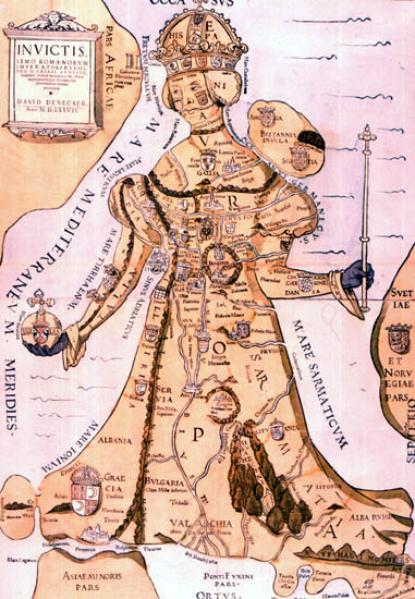
Pictures of such well-known ideas like Hungary as the bulwark of Christianity, or St. Stephen offering his crown and country to the Virgin can be found here together with the representations of the characteristic features of Hungarians, their behaviour and costumes.
As a part of the Habsburg Empire Hungary's role had changed still its importance had not decreased. As a result of two centuries of anti Ottoman fights the symbol of the tortures of Hungarian had been formed.
The Hungarian revolution and war of independence of 1848-49 played a leading role in the series of European revolutions of the mid 19th century. From England to Portugal nations formed their image of Lajos Kossuth and works of art made in the United States reflected the importance of American tour and the immigration. The so called happy peaceful years beginning with the 1867 Austro-Hungarian Compromise were ending in the tragic events of World War I. Some of the allegorical compositions made between 1867-1920 have remained to us as a kind of pictorial myth.
The last part is showing Hungarian scenes of the World Heritage and those, which are waiting to get on the list.
Pictures of such well-known ideas like Hungary as the bulwark of Christianity, or St. Stephen offering his crown and country to the Virgin can be found here together with the representations of the characteristic features of Hungarians, their behaviour and costumes.
As a part of the Habsburg Empire Hungary's role had changed still its importance had not decreased. As a result of two centuries of anti Ottoman fights the symbol of the tortures of Hungarian had been formed.
The Hungarian revolution and war of independence of 1848-49 played a leading role in the series of European revolutions of the mid 19th century. From England to Portugal nations formed their image of Lajos Kossuth and works of art made in the United States reflected the importance of American tour and the immigration. The so called happy peaceful years beginning with the 1867 Austro-Hungarian Compromise were ending in the tragic events of World War I. Some of the allegorical compositions made between 1867-1920 have remained to us as a kind of pictorial myth.
The last part is showing Hungarian scenes of the World Heritage and those, which are waiting to get on the list.
|
|