2026. April 4. Saturday
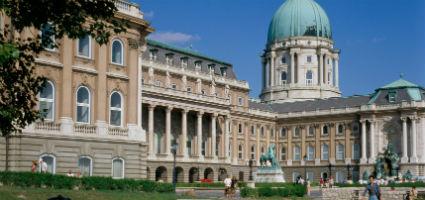
Hungarian National Gallery - Budapest
 |
Address: 1014, Budapest Szent György tér 2.
Phone number: (1) 201-9082
E-mail: info@mng.hu
Opening hours: Tue-Sun 10-18
|
The exhibition has closed for visitors.
2003.10.14. - 2004.02.15.
Share it, if you like it:


Museum tickets, service costs:
|
Individual ticket for adults
|
3200 HUF
|
/ capita
|
|
Individual ticket for students
|
1600 HUF
|
|
|
Individual ticket for pensioners
|
1600 HUF
|
/ capita
|
|
Video
|
1000 HUF
|
László Mednyánszky is the most productive and mysterious figure of Hungarian painting of the early 20th century. He was born into an aristocratic family in upper Hungary (now Slovakia). He distributed all his possessions and cared nothing about money. He has 3-4000 oil paintings and several thousands of graphic works in private collections all over the world. He only cared about his works till he was making them and he was happy to help his models by giving the works to them.
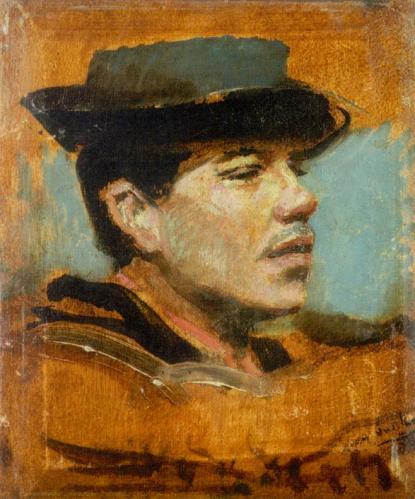
His models were simple peasants, gipsies, soldiers, beggars, etc.. As a heir of Ribera, Millet and Daumier he created a new style: a series of monumental pictures, in which there is no trace of fashionable sentimentalism felt toward the poor.
His landscapes seem to be naturalistic and realistic paintings, but virtually they are hidden self-portraits and symbolistic mood pictures. On other pictures he was experimenting with the expressableness of violence and suffering. He condensed the elemental powers, energies, passions either on action scenes picking out from an unknown strip cartoon or the emblems of passive suffering or melancholic figures. He left hundreds of pencil drawings on us about captives, tortured or wounded people and the oppressed ones. He began drawing these strange topics not in the war, but in the glittering pomp of the "in de siécle".
His pictures found in public institutes are divided between Slovakia (early works) and Hungary (mature works). The goal of the exhibition is dual: it aims to represent for the first time early pictures not known in Hungary. The exhibition material involves the best items of Hungarian and Slovakian public institutes. On the ground floor of the Hungarian National Gallery we can mostly see the oil paintings, whilst the third floor will offer a graphic exhibition to the visitors.
His models were simple peasants, gipsies, soldiers, beggars, etc.. As a heir of Ribera, Millet and Daumier he created a new style: a series of monumental pictures, in which there is no trace of fashionable sentimentalism felt toward the poor.
His landscapes seem to be naturalistic and realistic paintings, but virtually they are hidden self-portraits and symbolistic mood pictures. On other pictures he was experimenting with the expressableness of violence and suffering. He condensed the elemental powers, energies, passions either on action scenes picking out from an unknown strip cartoon or the emblems of passive suffering or melancholic figures. He left hundreds of pencil drawings on us about captives, tortured or wounded people and the oppressed ones. He began drawing these strange topics not in the war, but in the glittering pomp of the "in de siécle".
His pictures found in public institutes are divided between Slovakia (early works) and Hungary (mature works). The goal of the exhibition is dual: it aims to represent for the first time early pictures not known in Hungary. The exhibition material involves the best items of Hungarian and Slovakian public institutes. On the ground floor of the Hungarian National Gallery we can mostly see the oil paintings, whilst the third floor will offer a graphic exhibition to the visitors.
|
|