2026. June 10. Wednesday
Semmelweis Museum, Library and Archives of the History of Medicine - Budapest
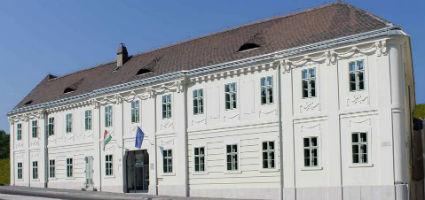 |
Address: 1013, Budapest Apród u.1-3.
Phone number: (1) 201-1577, (1) 375-3533
E-mail: semmelweis@museum.hu
Opening hours: Temporarily closed.
|
The exhibition has closed for visitors.
2010.12.03. - 2011.11.30.
Share it, if you like it:


Museum tickets, service costs:
|
Individual ticket for adults
|
700 HUF
|
/ capita
|
|
Individual ticket for students
|
350 HUF
|
/ capita
|
|
Individual ticket for pensioners
|
350 HUF
|
/ capita
|
|
Individual guide
(up to 10 people)
|
1000 HUF
|
/ group
|
|
Individual guide
(11-20 people)
|
2000 HUF
|
/ group
|
|
Photography
|
600 HUF
|
|
|
Video
|
1500 HUF
|
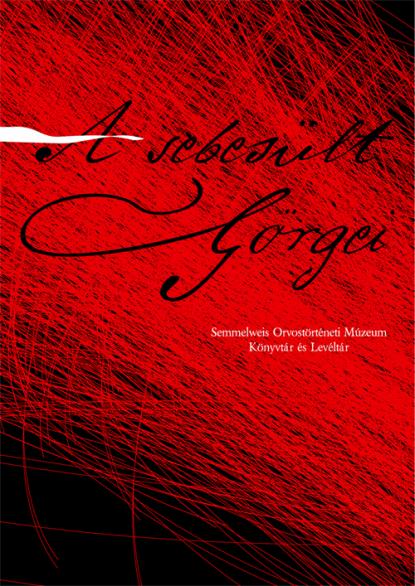
Our exhibition deals with a little known event during the revolution of 1848/49. The commander-in-chief Artúr Görgei suffered a life-threatening head injury on 2 July, 1849 near Komárom. A grenade explosion caused a 12-cm-long slit on his head, and his skull broke at several places.
At the end of June 1849, the commander-in-chief was stationed in the fortress of Komárom. On 2 June, forces led by Haynau attacked the camp in Komárom. Görgei beat off the attack, and then he began attacking the Austrian camps with hundreds of hussars on his side. It was this attack during which he head got injured. A grenade explosion caused a 12-cm-long slit on his head. His brain shell was visible, as well as the splinters sticking to it. His brain would have got injured if the splinters had got just millimetres more in.
The following nine days after the injury, Görgei set off with about 25.000 soldiers from Komárom to Arad between the Austrian army attacking from the west and the Russian army attacking from the north. On the 13th day, Görgei captured Vác and chased the Russian outposts from there. By the time he reached Vác, his wound was seriously purulent and it had to be exposed again. On the 15th day after the injury, he got on his horse, repulsed the Russian army, then, by evading the Russians, he got to Miskolc earlier than the Russians who were after him. On the 26th day, he, again evading the Russian, he set off for the south.
On 9 August, at Temesvár, the Austrian troops crashed the army with which Görgei was supposed to unite. At that night, 39th day after the injury Görgey reached Arad. The next day he met Kossuth. On 11 August, at eight in the evening, Kossuth nominated Görgei dictator and he himself fled towards the Turkish border. Görgei held a meeting where the participant decided on surrendering to the Russians. On 13 August, at five in the morning, on the 42nd day after the injury, Görgei surrendered. He was in exile in Klagenfurt. In 1867 he was allowed to return to Hungary a settled in Visegrád. After Világos he lived 77 years in solitary. He died on 21 May 1916 in Budapest.
How did it all happen? Who and how the commander-in-chief was treated? What could medicine do before modern bacteriology or antibiotics existed? What kind of tools did doctors have at hand in the 19th century? What theoretical or practical knowledge was there to save the commander-in-chief’s life?
Our exhibition recalls the last days of the revolution of 1848-49 and the medicine of the era, in addition to providing a portrait of the young man Görgei, and does it al from an unusual perspective.
At the end of June 1849, the commander-in-chief was stationed in the fortress of Komárom. On 2 June, forces led by Haynau attacked the camp in Komárom. Görgei beat off the attack, and then he began attacking the Austrian camps with hundreds of hussars on his side. It was this attack during which he head got injured. A grenade explosion caused a 12-cm-long slit on his head. His brain shell was visible, as well as the splinters sticking to it. His brain would have got injured if the splinters had got just millimetres more in.
The following nine days after the injury, Görgei set off with about 25.000 soldiers from Komárom to Arad between the Austrian army attacking from the west and the Russian army attacking from the north. On the 13th day, Görgei captured Vác and chased the Russian outposts from there. By the time he reached Vác, his wound was seriously purulent and it had to be exposed again. On the 15th day after the injury, he got on his horse, repulsed the Russian army, then, by evading the Russians, he got to Miskolc earlier than the Russians who were after him. On the 26th day, he, again evading the Russian, he set off for the south.
On 9 August, at Temesvár, the Austrian troops crashed the army with which Görgei was supposed to unite. At that night, 39th day after the injury Görgey reached Arad. The next day he met Kossuth. On 11 August, at eight in the evening, Kossuth nominated Görgei dictator and he himself fled towards the Turkish border. Görgei held a meeting where the participant decided on surrendering to the Russians. On 13 August, at five in the morning, on the 42nd day after the injury, Görgei surrendered. He was in exile in Klagenfurt. In 1867 he was allowed to return to Hungary a settled in Visegrád. After Világos he lived 77 years in solitary. He died on 21 May 1916 in Budapest.
How did it all happen? Who and how the commander-in-chief was treated? What could medicine do before modern bacteriology or antibiotics existed? What kind of tools did doctors have at hand in the 19th century? What theoretical or practical knowledge was there to save the commander-in-chief’s life?
Our exhibition recalls the last days of the revolution of 1848-49 and the medicine of the era, in addition to providing a portrait of the young man Görgei, and does it al from an unusual perspective.
|
|