2026. June 24. Wednesday
Semmelweis Museum, Library and Archives of the History of Medicine - Budapest
 |
Address: 1013, Budapest Apród u.1-3.
Phone number: (1) 201-1577, (1) 375-3533
E-mail: semmelweis@museum.hu
Opening hours: Temporarily closed.
|
The exhibition has closed for visitors.
2010.07.02. - 2010.10.24.
Share it, if you like it:


Museum tickets, service costs:
|
Individual ticket for adults
|
700 HUF
|
/ capita
|
|
Individual ticket for students
|
350 HUF
|
/ capita
|
|
Individual ticket for pensioners
|
350 HUF
|
/ capita
|
|
Individual guide
(up to 10 people)
|
1000 HUF
|
/ group
|
|
Individual guide
(11-20 people)
|
2000 HUF
|
/ group
|
|
Photography
|
600 HUF
|
|
|
Video
|
1500 HUF
|
In popular opinion, the use of chastity belts dates back to the time of the Crusades and its aim was to enforce and ensure womanly fidelity.
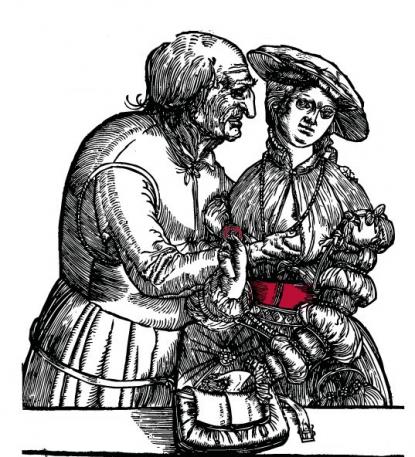
The concept is false. It is actually based on an 18th century myth, which not only survived until the end of the 20th century both in scholarly literature and that of popular science, but the collections of major and minor museums also made efforts to provide some relevant data.
The real history of chastity belts is a series of the history of mentality, the history of sexuality, the history of medicine, and the museology of the past 500 years, full of distortion, falsification and flashbacks. It is much more about the modern age or, more exactly, how the modern age, from the century of the Enlightenment on, wanted to observe the culture of the Middle Ages and the Renaissance.
Our exhibition demonstrates to the visitors the attempt to project this invented medieval object with the support of fake museum pieces.
The concept is false. It is actually based on an 18th century myth, which not only survived until the end of the 20th century both in scholarly literature and that of popular science, but the collections of major and minor museums also made efforts to provide some relevant data.
The real history of chastity belts is a series of the history of mentality, the history of sexuality, the history of medicine, and the museology of the past 500 years, full of distortion, falsification and flashbacks. It is much more about the modern age or, more exactly, how the modern age, from the century of the Enlightenment on, wanted to observe the culture of the Middle Ages and the Renaissance.
Our exhibition demonstrates to the visitors the attempt to project this invented medieval object with the support of fake museum pieces.
|
|