2026. May 21. Thursday
János Tornyai Museum - Hódmezővásárhely
 |
Address: 6800, Hódmezővásárhely Dr. Rapcsák András út 16-18.
Phone number: (62) 242-224
E-mail: tjm@tjm.hu
Opening hours: Tue-Sun 10-17
|
The exhibition has closed for visitors.
2008.04.27. - 2008.06.29.
Share it, if you like it:


Museum tickets, service costs:
|
Ticket for adults
|
600 HUF
|
|
|
Ticket for students
|
300 HUF
|
|
|
Ticket for pensioners
|
300 HUF
|
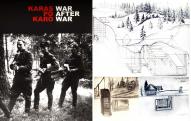
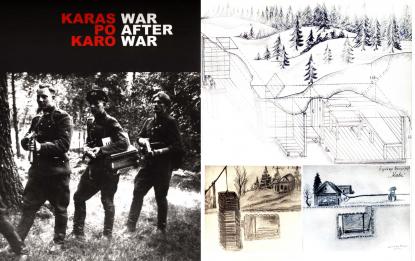
Nine years of the Lithuanian revolt against the soviet (1944 - 1953) is shown in twenty-one large molinos at the János Tornai Museum in Hódmezővásárhely.
The fate of the Lithuanian is similar to that of the Hungarian inasmuch as they also suffered a long-time Russian oppression. Moreover, both Lithuanians and Hungarians revolted against the Stalin regime. The exhibition in Hódmezővásárhely deals with the hopeless but at the same time uplifting fight.
When the Soviet Union invaded Lithuania after WWII, it applied retaliatory measures against the peaceful nation. Everybody who was counted for as an enemy of the Soviet was imprisoned. Houses were searched, as well as forests for people in hiding from being enlisted in the army. Villages were often set on fire with men, women, often children inside. The active side of the Lithuanian society decided to fight even when the Soviet was on their way to the country.
According to data of researchers, about 4% of the society was involved directly or indirectly in the armed fight against the Soviet. There were families of which two, three, but sometimes even five or six men fought among the partisan.
The fight, however, was not limited to the arms but literature was also involved. During the partisan war, 72 samizdats were published. The revolts even have print equipment.
The most important dwelling and hiding place of partisans were the forests. Bunkers were located at attics, barns, river banks, cellars, forests etc. They used everything they found around the bunkers to camouflage. Later pine and other tree's branches were used. The entrances were set in wells, ovens etc.
The fate of the Lithuanian is similar to that of the Hungarian inasmuch as they also suffered a long-time Russian oppression. Moreover, both Lithuanians and Hungarians revolted against the Stalin regime. The exhibition in Hódmezővásárhely deals with the hopeless but at the same time uplifting fight.
When the Soviet Union invaded Lithuania after WWII, it applied retaliatory measures against the peaceful nation. Everybody who was counted for as an enemy of the Soviet was imprisoned. Houses were searched, as well as forests for people in hiding from being enlisted in the army. Villages were often set on fire with men, women, often children inside. The active side of the Lithuanian society decided to fight even when the Soviet was on their way to the country.
According to data of researchers, about 4% of the society was involved directly or indirectly in the armed fight against the Soviet. There were families of which two, three, but sometimes even five or six men fought among the partisan.
The fight, however, was not limited to the arms but literature was also involved. During the partisan war, 72 samizdats were published. The revolts even have print equipment.
The most important dwelling and hiding place of partisans were the forests. Bunkers were located at attics, barns, river banks, cellars, forests etc. They used everything they found around the bunkers to camouflage. Later pine and other tree's branches were used. The entrances were set in wells, ovens etc.
|
|