2026. October 22. Thursday
Intercisa Museum - Dunaújváros
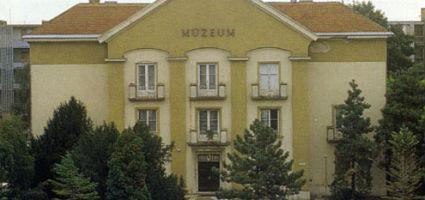 |
Address: 2400, Dunaújváros Városháza tér 4.
Phone number: (25) 411-315
E-mail: intercisamuz@gmail.com
Opening hours: Tue-Sat 10-16
On the first Sunday in each month is open: 14-18 |
The exhibition has closed for visitors.
2009.06.27. - 2009.11.01.
Share it, if you like it:


Museum tickets, service costs:
|
Ticket for adults
|
700 HUF
|
|
|
Group ticket for adults
(from over 10 people)
|
700 HUF
|
|
|
Ticket for students
|
350 HUF
|
|
|
Group ticket for students
|
350 HUF
|
|
|
Ticket for pensioners
|
350 HUF
|
|
|
Group ticket for pensioners
|
350 HUF
|
|
|
Ticket for families
|
1400 HUF
|
/ family
|
The Intercisa Múzeum's temporary exhibition open from 26 June 2009 to 1 November presents the Roman period Adony, (Vetus Salina) where a Roman military site, a settlement and the Sanctuary of Dolichenus were found in 1975. The sanctuary is on display at the Saint Stephen Museum at present.
The first Roman settlers arrived to Vetus Salina in the middle of the 1st century. During the existence of the military site, it was restructured several times. The remains of the camp mostly washed away by the River Danube were discovered by László Barkóczi in 1949-50. The finds from the site are at the National Museum at present. Objects from the civilian environment were found on a number of occasions. Nevertheless, larger excavations only began in 1997 and 2001.
In the past years, the amount of finds was so immense that a showing of the objects seemed reasonable. The new information adds to a more precise picture of the Roman Period Adony. Now we can show the lately discovered fortress of the Intercisa thoroughly researched.
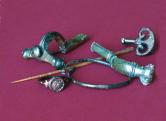
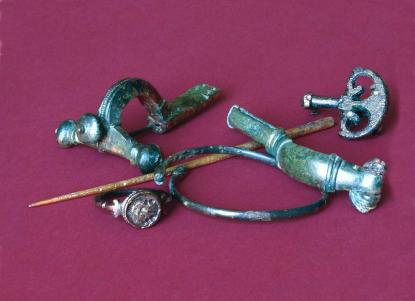
Vetus Salina is demonstrated by a number of terra sigillata, Faltenbecher, brinze objects, gilded bronze pin, the animal statues of the Dolichenus Sanctuary, scale models of the military site, as well as enlarged photos and drawings.
These let the visitors examine the houses in the habitat with underfloor heating, runoff system, often with pool, and aqueduct system.
|
|