2026. April 18. Saturday
Kossuth Cinema Gallery - Mohács
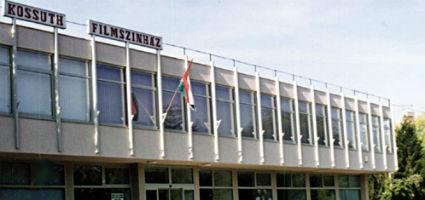 |
Address: 7700, Mohács Deák tér 3.
Phone number: (69) 311-031, (69) 510-477
E-mail: mohacsmozi@gmail.com
Opening hours: Mon-Sat 10-16
|
The exhibition has closed for visitors.
2008.02.01. - 2008.03.02.
Share it, if you like it:


Museum tickets, service costs:
|
Ticket for adults
|
300 HUF
|
|
|
Ticket for students
(over 14 years of age)
|
200 HUF
|
|
|
Ticket for children
(under 14 years of age)
|
100 HUF
|
|
|
Ticket for pensioners
|
200 HUF
|
Black ceramic making and Busomask carving are perhaps the most characteristic crafts for Mohács, which are not really to find anywhere else.
Mohács is one of the historical centres and a remarkable spot of the Carpathian-basin pottery. Local potters, stove-setters and claypipe-makers used to work here in the 18-19th century, among them mug-makers preparing black ceramic pots, uniting themselves into a guild in 1803. Nowadays 5-6 masters - next to other activities - prepare at Mohács and the surroundings the Mohács black ceramic - which has a remarkable distinction to its relatives of Nádudvar and Korond - with the traditional reduction method. The present-day potters make their mainly ornamental pieces of a high professional standard that is recorded also by the fact, that almost all of the masters possess the Folk Craft Artist, or Young Master of the Folk Art title, Standard-prize, Highest and Special Prizes of exhibitions.
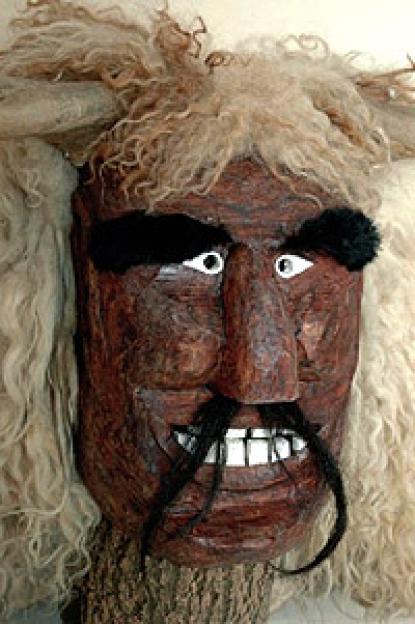
Busomask-carving as a separate branch of craft or profession began to evolve itself in the 20th century, when the folk traditions baffled themselves into the channel of tourism. Its strength rose in the 50's and 60's thanks to the film-makings and Baranya Sundays and its growth is still going on. Yet it never became a craftsmen's profession capable to secure a livelihood, but it is an activity characteristic to Mohács in the winter and at preparing period of the carnival season. Through the times the most talented and most efficient carvers became naturally the masters. Among them the late Kalkán Mátyás, Master of Folk Arts, Késity György, the former restorer of the Museum Kanizsai Dorottya and the senior sokac master of the present-day carvers Kunovszki János are the most authentic craft artists. The demonstration workshop of one of the younger and not only sokac wood-carvers, Englert Antal can be visited whole yearlong. He also won the prize of Folk Craft Artist. Some of the younger artists possess also officially juried masks.
Excellent carver of Buso accessories - such as clappers, feathery mauls - is Gerebenár Antal, settled in the town since decades, also bearer of the title Master of the Folk Arts.
Present exhibition is a composition of the works of nowadays-active masters, mostly out of the works of the younger generation; also indicating that folk art is a living profession at Mohács.
Mohács is one of the historical centres and a remarkable spot of the Carpathian-basin pottery. Local potters, stove-setters and claypipe-makers used to work here in the 18-19th century, among them mug-makers preparing black ceramic pots, uniting themselves into a guild in 1803. Nowadays 5-6 masters - next to other activities - prepare at Mohács and the surroundings the Mohács black ceramic - which has a remarkable distinction to its relatives of Nádudvar and Korond - with the traditional reduction method. The present-day potters make their mainly ornamental pieces of a high professional standard that is recorded also by the fact, that almost all of the masters possess the Folk Craft Artist, or Young Master of the Folk Art title, Standard-prize, Highest and Special Prizes of exhibitions.
Busomask-carving as a separate branch of craft or profession began to evolve itself in the 20th century, when the folk traditions baffled themselves into the channel of tourism. Its strength rose in the 50's and 60's thanks to the film-makings and Baranya Sundays and its growth is still going on. Yet it never became a craftsmen's profession capable to secure a livelihood, but it is an activity characteristic to Mohács in the winter and at preparing period of the carnival season. Through the times the most talented and most efficient carvers became naturally the masters. Among them the late Kalkán Mátyás, Master of Folk Arts, Késity György, the former restorer of the Museum Kanizsai Dorottya and the senior sokac master of the present-day carvers Kunovszki János are the most authentic craft artists. The demonstration workshop of one of the younger and not only sokac wood-carvers, Englert Antal can be visited whole yearlong. He also won the prize of Folk Craft Artist. Some of the younger artists possess also officially juried masks.
Excellent carver of Buso accessories - such as clappers, feathery mauls - is Gerebenár Antal, settled in the town since decades, also bearer of the title Master of the Folk Arts.
Present exhibition is a composition of the works of nowadays-active masters, mostly out of the works of the younger generation; also indicating that folk art is a living profession at Mohács.
|
|