2026. June 30. Tuesday
Dráva Museum - Barcs
 |
Address: 7570, Barcs Széchenyi utca 22.
Phone number: (82) 463-207
E-mail: dkmkbarcs@gmail.com
Opening hours: Tue-Thu 10-12, 13-16, Fri 9-12, Sat 9-12, 13-16
Other times: by prior arrangement |
The exhibition has closed for visitors.
2007.02.15. - 2007.03.20.
Share it, if you like it:


Museum tickets, service costs:
|
Ticket for adults
|
1000 HUF
|
|
|
Ticket for students
|
500 HUF
|
|
|
Ticket for pensioners
|
500 HUF
|
|
|
Guide
|
1000 HUF
|
Patchwork - the technique. Patchwork as movement began in the USA in the 18th century. Women working on farms used all textiles they had at hand since textile was very expensive. The patterns and motifs were born out of communities and families.
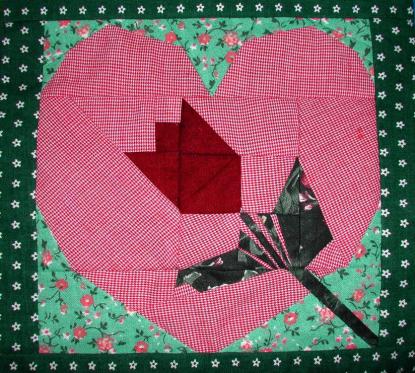
At the beginning, the women made so-called freedom blanket when the child reached adulthood, farewell blanket to those who moved to another place, bridal blanket for the girls to be married. After WWII, patchwork was not so popular for a while when plastic based cloths displaced natural material. However, by the 1960's patchwork was popular again. Arts dealers also discovered the old and nice pieces for which they payed hundreds of thousand dollars.
Exhibitions opened one after another showing acclaimed textile. Collectors began to be interested in them too. Today, patchwork is reborn again conquering the world. Clubs, associations, presses deal with it, magazines publish them on their pages. A shop chain serves the needs of those involved in patchwork in the USA.
The Hungarian Patchwork Guild was found in 1989 and joined the Patchwork World Organization in 1994. Presently it has 600 members Mrs. Ölvedi Megyei Gyöngyi taught the secrets of patchwork to the members of Color-Patch-Circle of Nagyatád. The group has been making beautiful covers, blankets, wall draperies, ornaments etc for 10 years now. They educate themselves at trainings and camps, and hold exhibitions nationwide. They donated several of their works to charities.
The manager of the patchwork circle of Nagyatád is Mrs. Máté Sándor, the members are: Mrs. Gelléri Tengeri Zita Dr., Hegyi Márta, Mrs. Horváth János, Mrs. Klausz Ernő, Mrs. Máté Sándor, Merész Emese, Mrs. Tálosi József, Mrs. Tibold József.
The applied art exhibition organized in the Dráva Museum shows 120 patchworks until 20 March 2007.
At the beginning, the women made so-called freedom blanket when the child reached adulthood, farewell blanket to those who moved to another place, bridal blanket for the girls to be married. After WWII, patchwork was not so popular for a while when plastic based cloths displaced natural material. However, by the 1960's patchwork was popular again. Arts dealers also discovered the old and nice pieces for which they payed hundreds of thousand dollars.
Exhibitions opened one after another showing acclaimed textile. Collectors began to be interested in them too. Today, patchwork is reborn again conquering the world. Clubs, associations, presses deal with it, magazines publish them on their pages. A shop chain serves the needs of those involved in patchwork in the USA.
The Hungarian Patchwork Guild was found in 1989 and joined the Patchwork World Organization in 1994. Presently it has 600 members Mrs. Ölvedi Megyei Gyöngyi taught the secrets of patchwork to the members of Color-Patch-Circle of Nagyatád. The group has been making beautiful covers, blankets, wall draperies, ornaments etc for 10 years now. They educate themselves at trainings and camps, and hold exhibitions nationwide. They donated several of their works to charities.
The manager of the patchwork circle of Nagyatád is Mrs. Máté Sándor, the members are: Mrs. Gelléri Tengeri Zita Dr., Hegyi Márta, Mrs. Horváth János, Mrs. Klausz Ernő, Mrs. Máté Sándor, Merész Emese, Mrs. Tálosi József, Mrs. Tibold József.
The applied art exhibition organized in the Dráva Museum shows 120 patchworks until 20 March 2007.
|
|