2026. February 1. Sunday
Region History Museum - Kunszentmárton
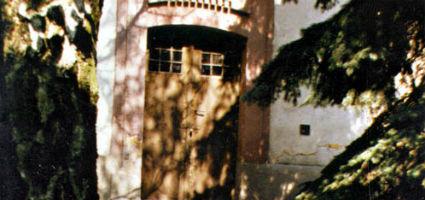 |
Address: 5440, Kunszentmárton Kerületiház utca 8.
Phone number: (56) 461-518
Opening hours: Tue-Sat 9-12, 13-16.30
|
The exhibition has closed for visitors.
2005.03.11. - 2005.04.30.
Share it, if you like it:


Museum tickets, service costs:
|
Group ticket
(min. 10 people)
|
80 HUF
|
|
|
Ticket for adults
|
200 HUF
|
|
|
Ticket for students
|
100 HUF
|
|
|
Ticket for pensioners
|
100 HUF
|
|
|
Guide
|
1500 HUF
|
WWI required a significant blood sacrifice in 1914-1918 in Europe. The soldiers of the Austro-Hungarian monarchy were not exception. The population of Kunszentmárton enrolled almost entirely after the war broke out and Franz Joseph declared mobilization.
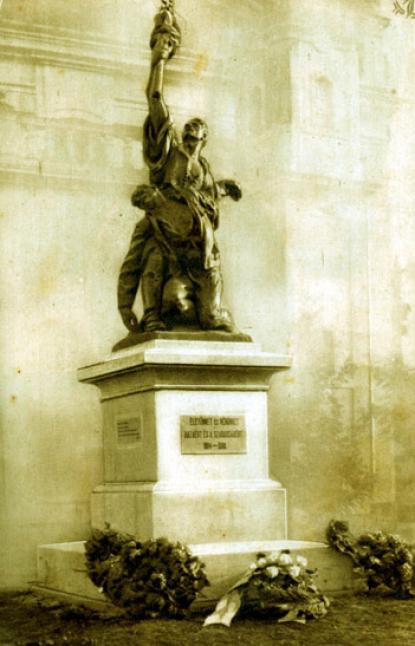
The soldiers from Kunszentmárton were conscripted into the troops no. 68, the hussars no. 13, the 2nd royal troops of Gyula and the 4th artillery. They fought in the first battles in Serbia. The deceased are commemorated by a marble tablet on the wall of a Roman Catholic Church as well as a memorial statue erected on the Main Square. These memorials are proves that the town of Kunszentmárton gave her own blood to the war.
The consequence of the war that lasted four years was the disintegration of the Austro-Hungarian monarchy along with several revolutions. The end was certified by the peace treaty of Trianon in 1920 which excluded two third of the Hungarians from the country leaving them living in foreign countries.
Though the war was lost by the monarchy, the long lasting fame of Hungarian soldiers was not blunt. Dr. Jenő Domján writes on this in the 'Album of the Heroes of Kunszentmárton'. The disciplined Hungarian soldiers, their royalty, love of country and sacrifice can be truly esteemed as the similar deeds of the best countries.
The exhibition made up of the material of collectors of Kunszentmárton, the Damjanich János Museum of Szolnok, and the Museum of Local History of Kunszentmárton presents the events of the war in which soldiers from Kunszentmárton took part. The visitors may learn of the weapons of the soldiers, their objects and the relics significant of the home front.
Krisztián Hegedűs
museologist
The soldiers from Kunszentmárton were conscripted into the troops no. 68, the hussars no. 13, the 2nd royal troops of Gyula and the 4th artillery. They fought in the first battles in Serbia. The deceased are commemorated by a marble tablet on the wall of a Roman Catholic Church as well as a memorial statue erected on the Main Square. These memorials are proves that the town of Kunszentmárton gave her own blood to the war.
The consequence of the war that lasted four years was the disintegration of the Austro-Hungarian monarchy along with several revolutions. The end was certified by the peace treaty of Trianon in 1920 which excluded two third of the Hungarians from the country leaving them living in foreign countries.
Though the war was lost by the monarchy, the long lasting fame of Hungarian soldiers was not blunt. Dr. Jenő Domján writes on this in the 'Album of the Heroes of Kunszentmárton'. The disciplined Hungarian soldiers, their royalty, love of country and sacrifice can be truly esteemed as the similar deeds of the best countries.
The exhibition made up of the material of collectors of Kunszentmárton, the Damjanich János Museum of Szolnok, and the Museum of Local History of Kunszentmárton presents the events of the war in which soldiers from Kunszentmárton took part. The visitors may learn of the weapons of the soldiers, their objects and the relics significant of the home front.
Krisztián Hegedűs
museologist
|
|