2026. November 19. Thursday
Balaton Museum - Keszthely
|
|
Address: 8360, Keszthely Múzeum u. 2.
Phone number: (83) 312-351, (83) 511-335
E-mail: titkarsag@balatonimuzeum.hu
Opening hours: 01.09-31.10.: Tue-Sat 10-17, 01.11-30.: Tue-Sat 10-16
|
The exhibition has closed for visitors.
2004.02.29. - 2004.04.25.
Share it, if you like it:


Museum tickets, service costs:
|
Ticket for adults
|
800 HUF
|
/ capita
|
|
Group ticket for adults
(min. 8 people)
|
600 HUF
|
/ capita
|
|
Ticket for students
|
400 HUF
|
/ capita
|
|
Ticket for pensioners
|
400 HUF
|
/ capita
|
|
Ticket for families
(2 adults + min. 2 children)
|
400 HUF
|
/ capita
|
|
Combined ticket
(I PROGRAMME PACKAGE: ticket + guided tour at the permanent exhibition + museum pedagogy activity for student card holders over 10 people )
|
750 HUF
|
|
|
Combined ticket
(II PROGRAMME PACKAGE: ticket + guided tour at the permanent exhibition + museum pedagogy activity + arts and crafts activity over 10 people )
|
1450 HUF
|
|
|
Guide
(on prior notice)
|
4500 HUF
|
From the archaeological excavations in Keszthely-Pusztaszentegyházi-dűlő in 1998-2000 and that of Migration Period cemetery in front of the southern wall of Keszthely-Fenékpuszta fortification in 1999-2000 have come such German burial founds, which give a new meaning to the results of researching of Keszthely Culture (early Avar period, 6-7th centuries), concerning especially the ethnic composition. These new results brought the idea of an individual exhibition to show the German heritage of our region. The material includes half a millennium; from the age of "foederati" settled into Pannonia in 380 until the 9th century, when this region belonged to the Eastern Frankish Empire.
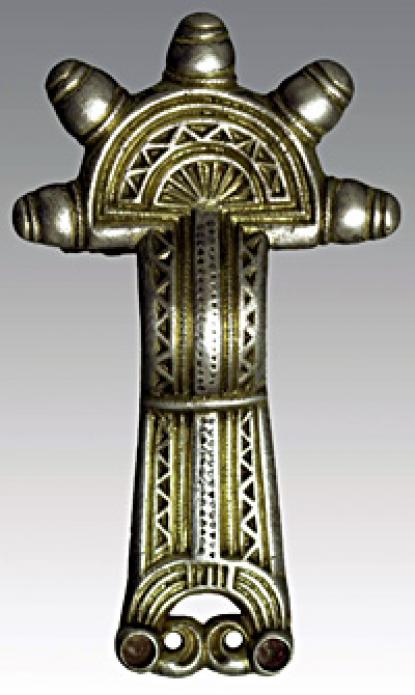
The exhibition could be seen from 5/4/2002 until 1/11/2002 in the Lower-Austrian Regional Museum in Traismauer and from 20/3/2003 until 14/7/2003 in the Regional Museum of Carinthia in Klagenfurt (both in Austria).
The exhibition could be seen from 5/4/2002 until 1/11/2002 in the Lower-Austrian Regional Museum in Traismauer and from 20/3/2003 until 14/7/2003 in the Regional Museum of Carinthia in Klagenfurt (both in Austria).
|
|
