2026. September 7. Monday
Ludwig Museum - Museum of Contemporary Art - Budapest
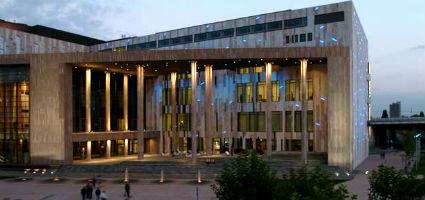 |
Address: 1095, Budapest Művészetek Palotája, Komor Marcell u. 1.
Phone number: (1) 555-3444, (1) 555-3457
E-mail: info@ludwigmuseum.hu
Opening hours: Permanent exhibition: Tue-Sun 10-18
Temporary exhibition: Tue-Sun 10-20 |
The exhibition has closed for visitors.
2004.05.13. - 2004.06.27.
Share it, if you like it:


Museum tickets, service costs:
|
Group ticket
(over 20 people 20% discount)
|
1000 HUF
|
|
|
Ticket for adults
(valid for the temporal exhibitions)
|
1200 HUF
|
|
|
Ticket for students
(valid for the temporal exhibitions)
|
600 HUF
|
|
|
Ticket for pensioners
(valid for the temporal exhibitions)
|
600 HUF
|
|
|
Ticket for families
(1 parent + max. 4 children)
|
1600 HUF
|
/ family
|
|
Ticket for families
(2 parents + max. 4 children)
|
2400 HUF
|
/ family
|
|
Ticket for adults
|
960 HUF
|
|
|
Ticket for students
|
480 HUF
|
|
|
Program ticket
|
600 HUF
|
|
|
Guide
|
4000 HUF
|
|
|
Guide
|
5000 HUF
|
Sebastiăo Salgado, the world-renowned photographer of Brazilian origin, started his project entitled Exodus in 1993, determined to demonstrate history at the turn of the millennium through the tribulations of displaced populations, refugees and migrants. During this era, millions of people have been forced or compelled to break away from their secure communities, families and loved ones, and to head off in new directions. Some have been escaping from the religious, political or ethnic abuses they were exposed to, while others have fled in order to merely survive, seeking refuge from famine.
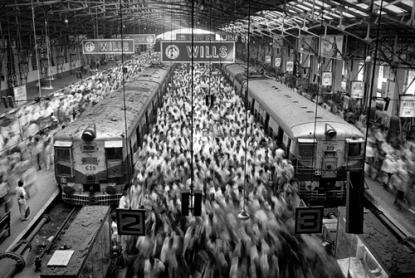
Salgado completed the project in 1999 to launch a series of exhibitions the following year, presenting these photographs all over the world. In forty countries and in six years Salgado photographed refugees while they were roaming the roads, or living in refugee camps or in shantytowns, which often meant the end station in their process of migration. These people had been humiliated and forced to live under miserable conditions, but they let Salgado take photographs of them as they deemed it important that their abysmal conditions be disclosed to the world at large. The photographs are here to speak on their behalf, to restore these people's dignity by demonstrating their bravery and enterprise and to illustrate how they can enrich their recipient cultures through their differences.
In terms of geographical locations, the photographs showing the situation of refugees and the different stations of their migration were taken in many different corners of the world from Kosovo to Vietnam and from Africa to Brazil. Salgado has shown a special concern for children, the most defenceless and vulnerable group within the migrants, by devoting a special series of portraits to them.
Salgado completed the project in 1999 to launch a series of exhibitions the following year, presenting these photographs all over the world. In forty countries and in six years Salgado photographed refugees while they were roaming the roads, or living in refugee camps or in shantytowns, which often meant the end station in their process of migration. These people had been humiliated and forced to live under miserable conditions, but they let Salgado take photographs of them as they deemed it important that their abysmal conditions be disclosed to the world at large. The photographs are here to speak on their behalf, to restore these people's dignity by demonstrating their bravery and enterprise and to illustrate how they can enrich their recipient cultures through their differences.
In terms of geographical locations, the photographs showing the situation of refugees and the different stations of their migration were taken in many different corners of the world from Kosovo to Vietnam and from Africa to Brazil. Salgado has shown a special concern for children, the most defenceless and vulnerable group within the migrants, by devoting a special series of portraits to them.
|
|