2026. May 31. Sunday
Budapest History Museum - Budapest
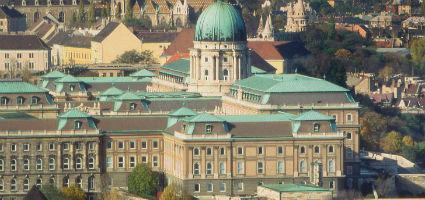 |
Address: 1014, Budapest Szent György tér 2.
Phone number: (1) 487-8800, (1) 487-8801
E-mail: btm@mail.btm.hu
Opening hours: Tue-Sun 10-18
|
The exhibition has closed for visitors.
2012.09.19. - 2013.02.03.
Share it, if you like it:


Museum tickets, service costs:
|
Ticket for adults
|
2000 HUF
|
|
|
Ticket for students
|
1000 HUF
|
|
|
Group ticket for students
(over 10 people)
|
500 HUF
|
|
|
Ticket for pensioners
|
1000 HUF
|
|
|
Ticket for families
|
2200 HUF
|
/ family
|
|
Group guide
(up to 20 people)
|
7000 HUF
|
|
|
Group guide
(20-30 people)
|
9500 HUF
|
|
|
Group guide
|
14000 HUF
|
|
|
Group guide
|
18000 HUF
|
|
|
Audio guide
|
1200 HUF
|
|
|
Photography
|
1000 HUF
|
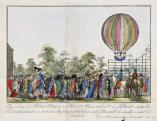
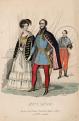
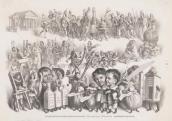
What did a ’Hungarian Dalido’ look like in 1860? How was (not) the first monument was made of King Matthias? Do we know what István Széchenyi really looked like? Why is it better to have a female monarch than a man? Why was the count Lamberg lynched on a ship bridge in September, 1848 in Pest? What was food like in a ’lacikonyha’ (bistro) in Pest? Our exhibition answers these, and many other questions about the era.
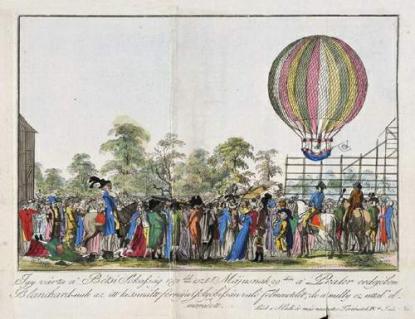
Periodicals began illustrating texts with pictures at the end of the 18th century. At the beginning, they were copper or steal engraving that were issued as annexes. However, because they were expensive to produce, publishers only published one or two per issue. With the arrival of xylography, new era began. The papers published the pictures by the articles. The predecessors of present day magazines came from England and were first published in the 1840s. Their triumph was due to their ability to report on past and present events parallel, together with illustrations, in plain language and at good price.
It meant public success. Up to date, for ’the interest of the public’, ’funny’ papers were published one after another, with time specializing in theme or readers. The market was rules by fashion magazines in Hungary in the 1840s. TheSunday Paper began in 1854, With it came periodicals with up to date information, often issued together with engravings.
This picture form of information flow was especially significant in Hungary as the boom of magazines coincided with the growth of national ideas. After the Reformation Age or the War of Independence, during autocracy, publication the portrait of a public person was especially important. Without independent publishers, editors and publishers determined the theme for the illustrations. Noted characters of Hungarian history or life in the county, the natural beauty of Hungary, cultural and industrial development were written about in extremely rich articles.
Publishers noticed how popular the engravings were and used them as lure. They offered ’engraving presents’ for subscribing for a paper. These engravings were most often graphics. They were designed by the most significant fine artists and done by master lithographers. Compositions by Miklós Barabás, Soma Orlai Petrich, Károly Lotz, Bertalan Székely or Mihály Munkácsy were hung on many walls across the country.
Demand for the original, quality graphics, with national theme slowly decreased after the Compromise. After the 1880s, photos took over accompanying the texts, and with some more time, the present pictures were photos, too. Looking back, we can say that the first two decades of images printed in press, we can say that it was the golden era for reproduced graphics, xylography, in Hungary. Emese Révész
Periodicals began illustrating texts with pictures at the end of the 18th century. At the beginning, they were copper or steal engraving that were issued as annexes. However, because they were expensive to produce, publishers only published one or two per issue. With the arrival of xylography, new era began. The papers published the pictures by the articles. The predecessors of present day magazines came from England and were first published in the 1840s. Their triumph was due to their ability to report on past and present events parallel, together with illustrations, in plain language and at good price.
It meant public success. Up to date, for ’the interest of the public’, ’funny’ papers were published one after another, with time specializing in theme or readers. The market was rules by fashion magazines in Hungary in the 1840s. TheSunday Paper began in 1854, With it came periodicals with up to date information, often issued together with engravings.
This picture form of information flow was especially significant in Hungary as the boom of magazines coincided with the growth of national ideas. After the Reformation Age or the War of Independence, during autocracy, publication the portrait of a public person was especially important. Without independent publishers, editors and publishers determined the theme for the illustrations. Noted characters of Hungarian history or life in the county, the natural beauty of Hungary, cultural and industrial development were written about in extremely rich articles.
Publishers noticed how popular the engravings were and used them as lure. They offered ’engraving presents’ for subscribing for a paper. These engravings were most often graphics. They were designed by the most significant fine artists and done by master lithographers. Compositions by Miklós Barabás, Soma Orlai Petrich, Károly Lotz, Bertalan Székely or Mihály Munkácsy were hung on many walls across the country.
Demand for the original, quality graphics, with national theme slowly decreased after the Compromise. After the 1880s, photos took over accompanying the texts, and with some more time, the present pictures were photos, too. Looking back, we can say that the first two decades of images printed in press, we can say that it was the golden era for reproduced graphics, xylography, in Hungary. Emese Révész
|
|