2026. November 15. Sunday
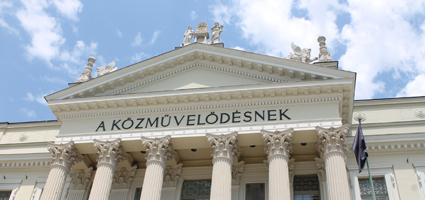
Ferenc Móra Museum - Museum of Csongrád County Government - Szeged
 |
Address: 6720, Szeged Roosevelt tér 1-3.
Phone number: (62) 549-040
E-mail: info@mfm.u-szeged.hu
Opening hours: Mon-Sun 10-18
|
The exhibition has closed for visitors.
2012.09.14. - 2012.12.15.
Share it, if you like it:


Museum tickets, service costs:
|
Ticket for adults
|
1590 HUF
|
|
|
Ticket for adults
(lookout tower)
|
700 HUF
|
|
|
Ticket for students
|
990 HUF
|
|
|
Ticket for students
(lookout tower)
|
500 HUF
|
|
|
Ticket for pensioners
(lookout tower)
|
500 HUF
|
|
|
Individual ticket for pensioners
|
990 HUF
|
|
|
Ticket for families
(max. 2 adults + 2 children)
|
4490 HUF
|
/ family
|
|
Ticket for families
(lookout tower, max. 2 adults + 2 children)
|
2000 HUF
|
/ family
|
|
Combined ticket for adults
(all exhibition places in Szeged)
|
2490 HUF
|
|
|
Combined ticket for students
(all exhibition places in Szeged)
|
1490 HUF
|
|
|
Combined ticket for pensioners
(all exhibition places in Szeged)
|
1490 HUF
|
|
|
Combined ticket for families
(all exhibition places in Szeged, max. 2 adults + 2 children)
|
6990 HUF
|
/ family
|
|
Guide
|
7500 HUF
|
/ place
|
|
Guide
|
10000 HUF
|
/ place
|
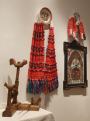
A drop of Transylvania moves in the Móra Museum in mid September. The exhibition opening in the framework of the Sacred Week deals with life imbued with religion in Inner Transylvania. Inner Transylvania is the region traditionally called Transylvania, now populated by Hungarian, Saxons, Romanians and Armenians.
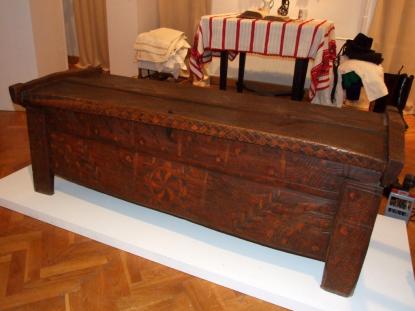
They show various types of wedding chests that were ornamented with geometric patters, rotary roses and magic signs to keep the evil away. There are also chests that were used as coffins in the olden times.
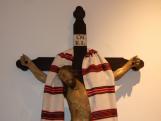
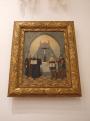
The life of people who lived in Transylvania was interwoven with sacrilege, and so were the objects they used. We show various garments, shrouds, and Hungarian girl's headdress made of rosemary and various other objects from the Harangozó Imre Collection. Ornamental plates and homespun ornament the walls, and also a music picture of Luther. One of the special items is a procession cross that has Christ but with Tatar features. The reason for this portrayal is because Tatar invaded Transylvania in the 18th century.
|
|