2026. June 9. Tuesday
Museum of Ethnography - Budapest
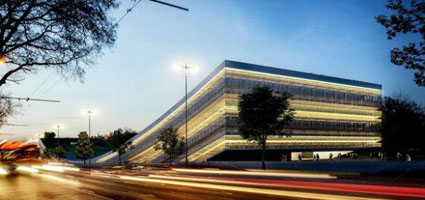 |
Address: 1146, Budapest Dózsa György út - Ötvenhatosok tere
Phone number: (1) 473-2400
E-mail: info@neprajz.hu
Opening hours: Tue-Sun 10-18
|
The exhibition has closed for visitors.
2013.01.22. - 2013.05.05.
Share it, if you like it:


Museum tickets, service costs:
|
Individual ticket for adults
|
3000 HUF
|
|
|
Individual ticket for adults
(1 hour before closing)
|
1600 HUF
|
|
|
Group ticket for adults
(min. 10 people)
|
2600 HUF
|
/ capita
|
|
Individual ticket for students
|
1500 HUF
|
|
|
Individual ticket for students
(1 hour before closing)
|
800 HUF
|
|
|
Group ticket for students
(min. 10 people)
|
1300 HUF
|
/ capita
|
|
Individual ticket for pensioners
|
1500 HUF
|
|
|
Individual ticket for pensioners
(1 hour before closing)
|
800 HUF
|
|
|
Group ticket for pensioners
(min. 10 people)
|
1300 HUF
|
/ capita
|
|
Ticket for families
(2 adults + max. 3 children (up to 18 years old))
|
6300 HUF
|
/ family
|
|
Individual combined ticket for adults
(Zoom permanent exhibition + Ceramics Space + MÉTA)
|
1700 HUF
|
|
|
Individual combined ticket for adults
(We Have Arrived temporary exhibition + Ceramics Space + MÉTA)
|
2000 HUF
|
|
|
Individual combined ticket for students
(Zoom permanent exhibition + Ceramics Space + MÉTA)
|
850 HUF
|
|
|
Individual combined ticket for students
|
1000 HUF
|
|
|
Individual combined ticket for pensioners
(Zoom permanent exhibition + Ceramics Space + MÉTA)
|
850 HUF
|
|
|
Individual combined ticket for pensioners
(We Have Arrived temporary exhibition + Ceramics Space + MÉTA)
|
1000 HUF
|
|
|
Group walk ticket
(building walk, max. 15 people)
|
1500 HUF
|
/ capita
|
|
Group walk ticket for students
(Méta gallop, 10-20 people)
|
1200 HUF
|
/ capita
|
|
Group walk ticket
(building walk, in English, max. 15 people)
|
1800 HUF
|
/ capita
|
|
Group walk ticket for students
(Méta gallop, 10-20 people, in English)
|
1400 HUF
|
/ capita
|
|
Group guide
(10-20 people)
|
1000 HUF
|
/ capita
|
|
Group guide
(thematic, whit the curator of the exhibition, 5-20 people)
|
1300 HUF
|
/ capita
|
|
Group guide for students
(min. 10 people)
|
800 HUF
|
/ capita
|
|
Group guide
(10-20 people, in English)
|
1300 HUF
|
/ capita
|
|
Group guide
(thematic, whit the curator of the exhibition, in English, 5-20 people)
|
1690 HUF
|
/ capita
|
|
Group guide for students
(in English, 10-20 people)
|
1000 HUF
|
/ capita
|
|
Audio guide
|
1000 HUF
|
|
|
Photography
(for camera, camera-stand and telephoto lens)
|
700 HUF
|
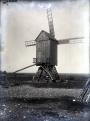
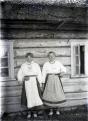
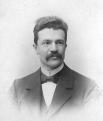
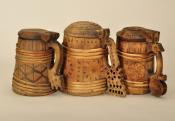
The exhibition presents Estonian ethnographic material collected by Aladár Bán (1871 - 1960) on the centennial of its first public showing in 1912. Bán, a former in-depth researcher of the Finnish language and culture, turned to Estonian folklore and ethnography in 1910, visiting Estonia several times in his endeavour to translate the Kalevipoeg, the Estonian national epic, and collecting a large body of material expressly for the Museum of the Ethnography along the way. It is Bán's work that forms the core material of the Museum's Estonian collection to this day.
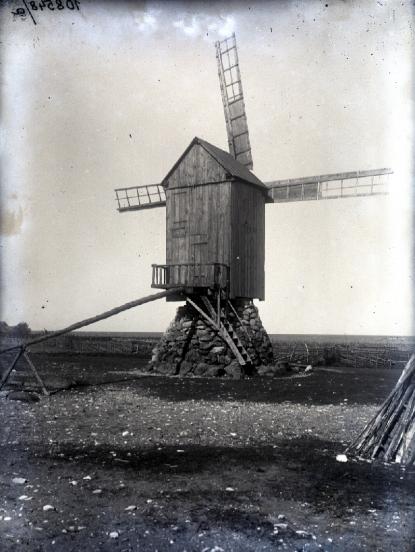
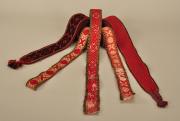
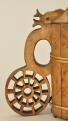
Bán's endeavours, backed by a donation from the Museum of Ethnography, produced a total of some 600 artefacts, including not only a preponderance of various textiles, but also tools, objects of utility, and jewellery, all collected according to consciously developed principles. Importantly, Bán sought out every Estonian cultural group of any significance, collecting artefacts not only from the mainland, but also from Estonia's larger islands, each of which boasted its own folk costumes and material cultural particularities. His collection from the archipelago is unusually large, representing a value that researchers of Estonian culture have only begun to appreciate.
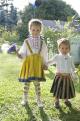
The exhibition has much to offer not only the foreign visitor, but the Hungarian public, as well. Providing a glimpse of life on the exotic-sounding islands of Saarema, Muhumaa and Hiiumaa one hundred years in the past, the exhibition encourages the visitor to explore one new and lesser-known point on the cultural map of Europe.
Curated by Ágnes Kerezsi
Bán's endeavours, backed by a donation from the Museum of Ethnography, produced a total of some 600 artefacts, including not only a preponderance of various textiles, but also tools, objects of utility, and jewellery, all collected according to consciously developed principles. Importantly, Bán sought out every Estonian cultural group of any significance, collecting artefacts not only from the mainland, but also from Estonia's larger islands, each of which boasted its own folk costumes and material cultural particularities. His collection from the archipelago is unusually large, representing a value that researchers of Estonian culture have only begun to appreciate.
The exhibition has much to offer not only the foreign visitor, but the Hungarian public, as well. Providing a glimpse of life on the exotic-sounding islands of Saarema, Muhumaa and Hiiumaa one hundred years in the past, the exhibition encourages the visitor to explore one new and lesser-known point on the cultural map of Europe.
Curated by Ágnes Kerezsi
|
|