2026. March 4. Wednesday
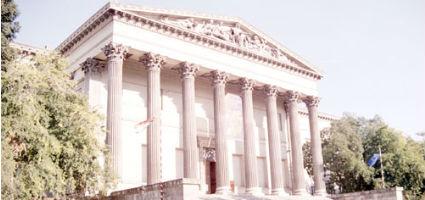
Hungarian National Museum - Budapest
 |
Address: 1088, Budapest Múzeum körút 14-16.
Phone number: (1) 338-2122
E-mail: info@hnm.hu
Opening hours: Tue-Sun 10-18
|
The exhibition has closed for visitors.
2011.06.01. - 2011.09.30.
Share it, if you like it:


Museum tickets, service costs:
|
Ticket for adults
|
1100 HUF
|
|
|
Ticket for students
|
550 HUF
|
|
|
Ticket for soldiers
|
550 HUF
|
|
|
Ticket for pensioners
|
550 HUF
|
|
|
Ticket for families
(2 adults + children)
|
1150 HUF
|
/ family
|
|
Individual guide
|
400 HUF
|
/ capita
|
|
Group guide
(max. 5 people)
|
1800 HUF
|
/ group
|
|
Group guide
(11-15 people)
|
6000 HUF
|
/ group
|
|
Group guide
(max. 15 people)
|
5500 HUF
|
/ group
|
|
Group guide
(16-25 people)
|
9700 HUF
|
/ group
|
|
Group guide
(1-5 people)
|
1500 HUF
|
/ capita
|
|
Group guide
(6-10 people)
|
13000 HUF
|
/ group
|
|
Group guide
(11-15 people)
|
16000 HUF
|
/ group
|
|
Group guide
(16-25 people)
|
24000 HUF
|
/ group
|
|
Group guide for students
(max. 25 people)
|
4500 HUF
|
/ group
|
|
Group guide for students
(max. 15 people)
|
6000 HUF
|
/ group
|
|
Group guide for students
(max. 25 people)
|
12000 HUF
|
/ group
|
Poland will take over the presidency of the council of the European Community from Hungary in June, 2011. To celebrate the event, the Hungarian National Museum opens an unusual exhibition that reviews the historic relations between Poland and Hungary in the past thousand years.
Several of the Polish and Hungarian kings in the middle ages were related, Saint Ladislaus I was born in Poland, and his mother was Polish. Louis I of Hungary ruled both Poland and Hungary during the Jagiellon dynasty reign Central-Europe, the Prince of Transylvania, Stephen Báthory became of the most popular king in Poland, and the meeting in Visegrád in the 14th century still determines the cooperation of the Visegrád Group.
For travellers, artists and merchants, the borders between Poland and Hungary were never hard to cross. The Print Shop in Krakow was well-known in Hungary while in Poland people knew about Tokaj and the wine produced in the region. Franz Liszt and Chopin were good friends.
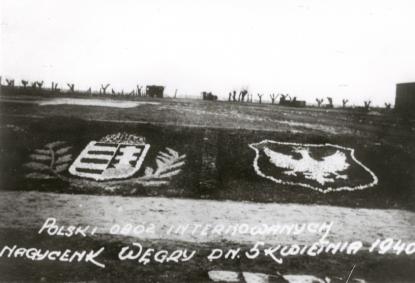
It is not the result of the past few years that these two nations fight for something joining forces. Polish and Hungarian soldiers fought the Russians and Turkish together, Francis II Rákóczy began the Hungarian war of independence in Poland. A Polish legion fought for Hungary in 1848, at the end of WWI Hungary helped Poland in her fights, in WWII thousands of Polish refugees arrived in Hungary from Poland. The revolution of 1956 and the change of social system elicited solidarity between the two nations.
Charters, golden- and silver coins, works of art, reconstruction of large-scale construction works, a rich collection of photos and multimedia, music and poetry remembers this historic journey. According to a medieval chronicle, the friendship between Polish and Hungarian people is Devine predestination. The exhibition is to prove this: it is a lot more than simple solidarity.
Several of the Polish and Hungarian kings in the middle ages were related, Saint Ladislaus I was born in Poland, and his mother was Polish. Louis I of Hungary ruled both Poland and Hungary during the Jagiellon dynasty reign Central-Europe, the Prince of Transylvania, Stephen Báthory became of the most popular king in Poland, and the meeting in Visegrád in the 14th century still determines the cooperation of the Visegrád Group.
For travellers, artists and merchants, the borders between Poland and Hungary were never hard to cross. The Print Shop in Krakow was well-known in Hungary while in Poland people knew about Tokaj and the wine produced in the region. Franz Liszt and Chopin were good friends.
It is not the result of the past few years that these two nations fight for something joining forces. Polish and Hungarian soldiers fought the Russians and Turkish together, Francis II Rákóczy began the Hungarian war of independence in Poland. A Polish legion fought for Hungary in 1848, at the end of WWI Hungary helped Poland in her fights, in WWII thousands of Polish refugees arrived in Hungary from Poland. The revolution of 1956 and the change of social system elicited solidarity between the two nations.
Charters, golden- and silver coins, works of art, reconstruction of large-scale construction works, a rich collection of photos and multimedia, music and poetry remembers this historic journey. According to a medieval chronicle, the friendship between Polish and Hungarian people is Devine predestination. The exhibition is to prove this: it is a lot more than simple solidarity.
|
|