2026. August 10. Monday
Hungarian National Museum - Budapest
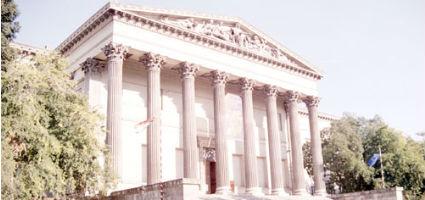 |
Address: 1088, Budapest Múzeum körút 14-16.
Phone number: (1) 338-2122
E-mail: info@hnm.hu
Opening hours: Tue-Sun 10-18
|
The exhibition has closed for visitors.
2010.10.08. - 2011.03.15.
Share it, if you like it:


Museum tickets, service costs:
|
Ticket for adults
|
1100 HUF
|
|
|
Ticket for students
|
550 HUF
|
|
|
Ticket for soldiers
|
550 HUF
|
|
|
Ticket for pensioners
|
550 HUF
|
|
|
Ticket for families
(2 adults + children)
|
1150 HUF
|
/ family
|
|
Individual guide
|
400 HUF
|
/ capita
|
|
Group guide
(max. 5 people)
|
1800 HUF
|
/ group
|
|
Group guide
(11-15 people)
|
6000 HUF
|
/ group
|
|
Group guide
(max. 15 people)
|
5500 HUF
|
/ group
|
|
Group guide
(16-25 people)
|
9700 HUF
|
/ group
|
|
Group guide
(1-5 people)
|
1500 HUF
|
/ capita
|
|
Group guide
(6-10 people)
|
13000 HUF
|
/ group
|
|
Group guide
(11-15 people)
|
16000 HUF
|
/ group
|
|
Group guide
(16-25 people)
|
24000 HUF
|
/ group
|
|
Group guide for students
(max. 25 people)
|
4500 HUF
|
/ group
|
|
Group guide for students
(max. 15 people)
|
6000 HUF
|
/ group
|
|
Group guide for students
(max. 25 people)
|
12000 HUF
|
/ group
|
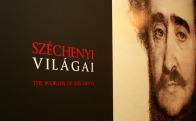
The rooms with the exhibition Bridge, Town, Country, the visitors will learn about how István Széchenyi became the man who was able to realize his dreams, see contiguities and approach the world from various point of views. The second part presents Széchenyi as an enemy of absolutism.
This section reflects on the significance of his illness in his oeuvre.
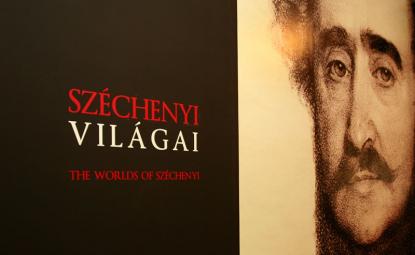
The last section, Széchenyi Cults: Hero or Victim? is in search for an answer in the title. The items on display, letters, engravings and personal belongings reflect on the private person Széchenyi. As László Csorba put it, the Széchenyi's Worlds Exhibition will present "outstanding moments of an outstanding man".
The last section, Széchenyi Cults: Hero or Victim? is in search for an answer in the title. The items on display, letters, engravings and personal belongings reflect on the private person Széchenyi. As László Csorba put it, the Széchenyi's Worlds Exhibition will present "outstanding moments of an outstanding man".
|
|