Event calendar
2025. December
1
2
3
4
5
6
7
8
9
10
11
12
13
14
15
16
17
18
19
20
21
22
23
24
25
26
27
28
29
30
31
1
2
3
4
2025.05.28. - 2025.09.28.
Budapest
2025.04.17. - 2025.05.17.
Budapest
2025.04.10. - 2025.05.11.
Szombathely
2025.04.07. - 2025.04.11.
Budapest
2025.03.28. - 2025.05.11.
Budapest
M80
2025.03.05. - 2025.09.15.
Budapest
2025.02.06. - 2025.05.11.
Budapest
2024.12.13. - 2025.06.30.
Budapest
2024.12.12. - 2025.06.01.
Budapest
2024.10.15. - 2025.08.31.
Budapest
2012.03.01. - 2012.03.31.
Vác
2012.02.01. - 2012.02.29.
Miskolc
2012.01.22. - 1970.01.01.
Budapest
2011.10.04. - 1970.01.01.
Nagykáta
2011.10.01. - 1970.01.01.
Nagykáta
2011.10.01. - 1970.01.01.
Nagykáta
2011.09.30. - 1970.01.01.
Nagykáta
2011.09.30. - 1970.01.01.
Nagykáta
2011.07.04. - 2011.07.08.
Budapest
Municipal Museum of Pásztó - Pásztó
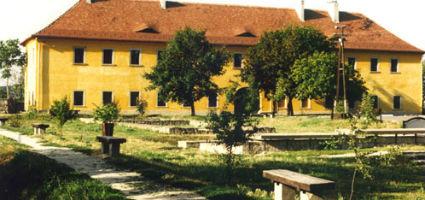
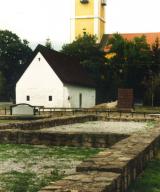
The museum building
Address: 3060, Pásztó Múzeum tér 5.
Phone number: (32) 460-194
Opening hours: Mon-Fri 8-16, Sat 9-15
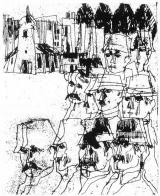
The reconstruction work of the medieval glassworks in 1989. In the monastery the Benjámin Rajeczky memorial room and the first exhibition of the cistercian order. The library of the town had been functioning in the museum building till 1997. In October 1997 the permanent exhibition entitled "To the memory of Kálmán Csohány". continue
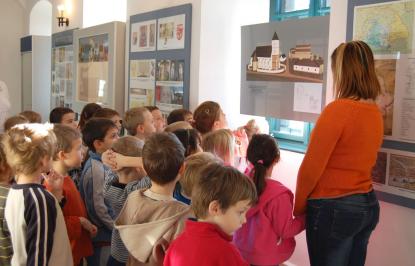
Permanent exhibitions
A taste of the exhibition
In the cellar of the schoolmaster's house we can see an exhibition demonstrating the medieval vine cultivation. Vine growing and wine production was flourishing in the vicinity of the town, but a pestilence at the end of the 19th century put an end to it all. In the gothic cellar of the schoolmaster's house we can see all kinds of vine-growing instruments. continue
A taste of the exhibition
After the change of regime the Hungarian Cistercian Order demanded and gained back the monastery building, which was handed over to Pásztó for museologic purposes. One of the conditions was to demonstrate the history and monasteries of the Hungarian Cistercian Order. continue
A taste of the exhibition
Because of its favourable geographical conditions Pásztó had been inhabited as early as in the prehistoric era. After the Hungarian conquest the region was shifted into the ownership of the Hungarian royal family. In the 12th century there was possibly a monastery functioning in Pásztó. continue