2025. December 10. Wednesday
Intercisa Museum - Dunaújváros
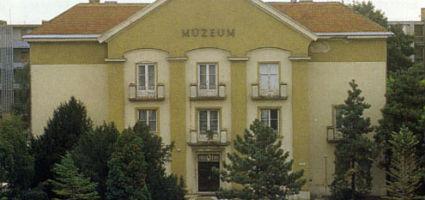 |
Address: 2400, Dunaújváros Városháza tér 4.
Phone number: (25) 411-315
E-mail: intercisamuz@gmail.com
Opening hours: Tue-Sat 10-16
On the first Sunday in each month is open: 14-18 |
The exhibition has closed for visitors.
2008.02.29. - 2008.04.13.
Share it, if you like it:


Museum tickets, service costs:
|
Ticket for adults
|
700 HUF
|
|
|
Group ticket for adults
(from over 10 people)
|
700 HUF
|
|
|
Ticket for students
|
350 HUF
|
|
|
Group ticket for students
|
350 HUF
|
|
|
Ticket for pensioners
|
350 HUF
|
|
|
Group ticket for pensioners
|
350 HUF
|
|
|
Ticket for families
|
1400 HUF
|
/ family
|
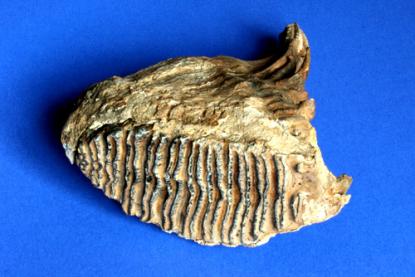
The oldest piece shown is a mammoth tooth found in a gravel mine. It can be around 13.000 but can also be 130.000 years old.
The finds chronologically are around 4.000 years old. The cemetery of the Nagyrévi culture in Dunaújváros has been know since 1960. Nevertheless, a new construction made it possible to excavate the remaining dozen graves.
Bronze Age finds located at larger and more famous sites were also selected to be shown. An urn and bowl of the Vatyai culture from its late period were found in a cemetery in Danadúlő during cable works. Archaeologists only learned about the finds months after their unearthing.
90 pieces were added to the history collection of the Intersica Museum in 2007. The finds are first restored and cleaned before they are shown. One of the reasons they are shown is to draw attention to finds since we find it hard for varied reasons to augment our collection. At the present exhibition we are able to show unusual material filling the gap. Such are the photos and documents of the boatmen Antal Nyári and Mihály Molnár from Dunapeltele.
The colour photo taken in 1937 picturing the cooper master Károly Szórád and his family fills the information gap on the artisan industry of Dunapentele.
Tools and the sign board from the carpenter István Lőwinger are interesting because they belonged to a man who participated in the building of the first socialist town in the 1950's in Hungary. Lőwinger worked in Dunaújváros until his retirement in 1981. The small oil painting entitled "Tub Plants" is to be mentioned not simply for its art history value but it was gives as present to the wife of the sculptor Lajos Berán.
The finds chronologically are around 4.000 years old. The cemetery of the Nagyrévi culture in Dunaújváros has been know since 1960. Nevertheless, a new construction made it possible to excavate the remaining dozen graves.
Bronze Age finds located at larger and more famous sites were also selected to be shown. An urn and bowl of the Vatyai culture from its late period were found in a cemetery in Danadúlő during cable works. Archaeologists only learned about the finds months after their unearthing.
90 pieces were added to the history collection of the Intersica Museum in 2007. The finds are first restored and cleaned before they are shown. One of the reasons they are shown is to draw attention to finds since we find it hard for varied reasons to augment our collection. At the present exhibition we are able to show unusual material filling the gap. Such are the photos and documents of the boatmen Antal Nyári and Mihály Molnár from Dunapeltele.
The colour photo taken in 1937 picturing the cooper master Károly Szórád and his family fills the information gap on the artisan industry of Dunapentele.
Tools and the sign board from the carpenter István Lőwinger are interesting because they belonged to a man who participated in the building of the first socialist town in the 1950's in Hungary. Lőwinger worked in Dunaújváros until his retirement in 1981. The small oil painting entitled "Tub Plants" is to be mentioned not simply for its art history value but it was gives as present to the wife of the sculptor Lajos Berán.
|
|