2025. December 20. Saturday
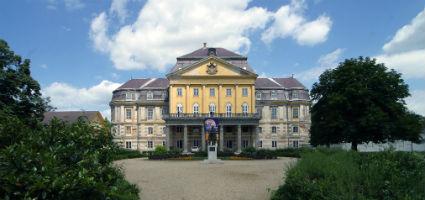
Dr. Batthyány-Strattmann László Museum - Körmend
 |
Address: 9900, Körmend Dr. Batthyány-Strattmann László u. 3.
Phone number: (94) 410-425
E-mail: muzeum.kormend@gmail.com
Opening hours: 01.11-31.03.: Tue-Sat 10-16
01.04-30.04.: Tue-Sat 9-17 01.05-30.09.: Tue-Sun 9-17 01.10-31.10.: Tue-Sat 9-17 |
The exhibition has closed for visitors.
2007.08.19. - 2007.10.28.
Share it, if you like it:


Museum tickets, service costs:
|
Ticket for adults
|
1200 HUF
|
/ capita
|
|
Group ticket for adults
|
1000 HUF
|
|
|
Ticket for students
|
600 HUF
|
/ capita
|
|
Group ticket for students
|
500 HUF
|
|
|
Ticket for pensioners
|
600 HUF
|
/ capita
|
|
Group ticket for pensioners
|
500 HUF
|
|
|
Ticket for families
(2 adults + 2 children)
|
2400 HUF
|
/ family
|
|
Program ticket
|
300 HUF
|
|
|
Guide
|
4000 HUF
|
|
|
Audio guide
|
500 HUF
|
|
|
Wedding photographs
|
5000 HUF
|
The first thematic unit shows the stems of the Batthyány, the ancestors of the Prime Minister Batthyány Lajos. Several members of the Batthyány family played important part in Hungarian history, eg the man who lead the fights against the Turkish, Batthyány I. Ádám, the last national palatine Batthyány Lajos Ernő and the maecenas Batthyány Fülöp. Statues and paintings of them are also curiosities of clothing history. Dr. Batthyány-Strattmann László also selected original letters from the Turkish era from the compilation of the museum. We also show copies of charters on the bestowing coat of arms to the family. We borrowed from the National Museum weapons and mints of the prince from the Turkish era. A very interesting part of the exhibition is the section named 'museum in the museum'. A curiosity is a cradle once belonging to the Batthyány family that is owned by the Smidt Muse. The cradle was used by the family for generations. Another curiosity is the richly ornamented throne from the patronage church in Magyarszecsőd. The church donated the throne to the Museum of Körmend in the near past.
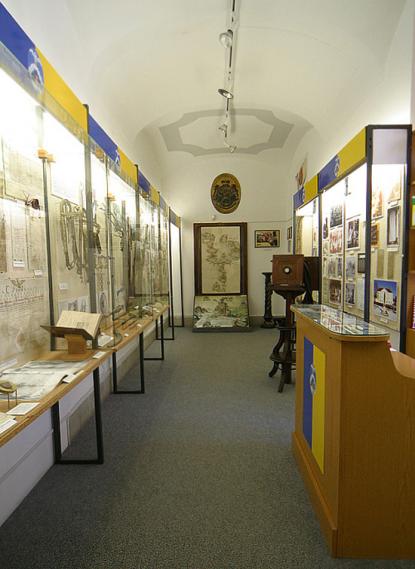
In the second unit, we introduce Battyhyány Lajos as the first Prime Minister of Hungary. Besides portraits on him by several artists kept on the Historic Portrait Compilation of the National Museum, the visitors can also learn of the work of the prime minister via documents borrowed from the Archives of Vas County and the National Archives. The Batthyány silk dolman and embroidered vest occupies a special place at the display. A statue made by Wieber Marianne dressed in authentic cloths is in the center of the exhibition. The other object in the center is a Herend vase with a Batthyány portrait on it. Memorial places in connection of the prime minister are shown in photos. We also show postcards related to Batthyány Lajos taken from the collection of Mrs. Steiner.
In the third section, we show Batthyány Lajos's deed in Vas County. Most of Batthyány's estates were located in historic Vas County. These are shown on a large map. The center of his estates with his castles were in Szalónak and Ikevár. We intend to reconstruct the interior of a room in the Castle of Ikevár with the help of archive photos. We also intend to make the model of the castle. Batthyány's estates were model farms. Documents from his silk and sugar factory, as well as the inventory of his estates and castles made after his execution are also part of the display. We show the events of the revolution of 1848/49 in Vas County by illustrating the role Batthyány played in it. We borrowed weapons, cloths and uniforms from museums in Kőszeg, Sárvár and Vasvár, as well as from the Smidt and Savaria Museum. On 27 April 1849 citizens of Jánosháza tried to free Batthyány who was kept prisoner by the soldiers of the emperor. The exhibition also presents a model of the endeavor, as well as a scene played by actors will be screened.
In the second unit, we introduce Battyhyány Lajos as the first Prime Minister of Hungary. Besides portraits on him by several artists kept on the Historic Portrait Compilation of the National Museum, the visitors can also learn of the work of the prime minister via documents borrowed from the Archives of Vas County and the National Archives. The Batthyány silk dolman and embroidered vest occupies a special place at the display. A statue made by Wieber Marianne dressed in authentic cloths is in the center of the exhibition. The other object in the center is a Herend vase with a Batthyány portrait on it. Memorial places in connection of the prime minister are shown in photos. We also show postcards related to Batthyány Lajos taken from the collection of Mrs. Steiner.
In the third section, we show Batthyány Lajos's deed in Vas County. Most of Batthyány's estates were located in historic Vas County. These are shown on a large map. The center of his estates with his castles were in Szalónak and Ikevár. We intend to reconstruct the interior of a room in the Castle of Ikevár with the help of archive photos. We also intend to make the model of the castle. Batthyány's estates were model farms. Documents from his silk and sugar factory, as well as the inventory of his estates and castles made after his execution are also part of the display. We show the events of the revolution of 1848/49 in Vas County by illustrating the role Batthyány played in it. We borrowed weapons, cloths and uniforms from museums in Kőszeg, Sárvár and Vasvár, as well as from the Smidt and Savaria Museum. On 27 April 1849 citizens of Jánosháza tried to free Batthyány who was kept prisoner by the soldiers of the emperor. The exhibition also presents a model of the endeavor, as well as a scene played by actors will be screened.
|
|