2025. December 4. Thursday
Danube Museum - Hungarian Museum of Water Administration and Environmental Protection - Esztergom
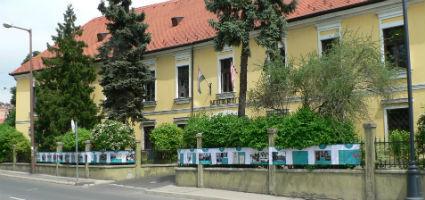 |
Address: 2500, Esztergom Kölcsey utca 2.
Phone number: (33) 500-250
E-mail: info@dunamuzeum.hu
Opening hours: Wed-Mon 9-17
|
The exhibition has closed for visitors.
2007.07.04. - 2007.09.02.
Share it, if you like it:


Museum tickets, service costs:
|
Ticket for adults
|
1400 HUF
|
|
|
Ticket for students
|
700 HUF
|
|
|
Ticket for pensioners
|
700 HUF
|
|
|
Ticket for families
|
700 HUF
|
/ capita
|
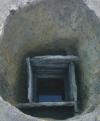
The new Cultural and Conference center was opened in Debrecen last year. At the beginning of the works, archeologists were always present. It was necessary as on the large area over 40 wells were found from varied eras. The exhibition titled 'Our Past in the Mirror of Wells' presents the reconstruction of these wells along with other finds.

The visitors may learn about wells from the Bronze Age in which ceramics were also found.
The wells of the Roman era were not lined, only on the side of one were prints of hedge found. Out of 13 wells from the 15-17th centuries 6 were lined with wood. The wells were 3-5 meter in diameter. Wells in which the line was made of barrel were also found.
The finds from these wells are extremely rich: kitchen discard, bones of animals and ceramics. We can deduce the costumes of nourishment from archeobotanical finds.
A typical well of the new age was the so-called 'kit well' in which the line was a cylinder cut out of the trunk of an oak tree.
The exhibition is a good example of how new findings make our information on the past whole.
The visitors may learn about wells from the Bronze Age in which ceramics were also found.
The wells of the Roman era were not lined, only on the side of one were prints of hedge found. Out of 13 wells from the 15-17th centuries 6 were lined with wood. The wells were 3-5 meter in diameter. Wells in which the line was made of barrel were also found.
The finds from these wells are extremely rich: kitchen discard, bones of animals and ceramics. We can deduce the costumes of nourishment from archeobotanical finds.
A typical well of the new age was the so-called 'kit well' in which the line was a cylinder cut out of the trunk of an oak tree.
The exhibition is a good example of how new findings make our information on the past whole.
|
|