2026. March 7. Saturday
Mihály Munkácsy Museum - Békéscsaba
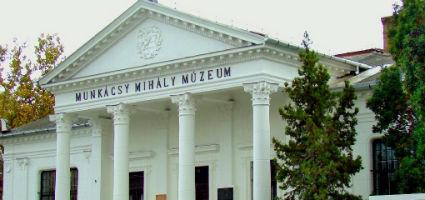 |
Address: 5600, Békéscsaba Széchenyi u. 9.
Phone number: (66) 323-377, (66) 328-040
E-mail: mmm@bmmi.hu
Opening hours: Tue-Sun 10-18
|
The exhibition has closed for visitors.
2012.08.03. - 2012.10.07.
Share it, if you like it:


Museum tickets, service costs:
|
Individual ticket for adults
(valid for the permanent exhibitions)
|
800 HUF
|
/ capita
|
|
Individual ticket for adults
(valid for the 1 temporal exhibition)
|
400 HUF
|
/ capita
|
|
Individual ticket for adults
(valid for 2 temporal exhibitions)
|
600 HUF
|
/ capita
|
|
Individual ticket for adults
(valid for the permanent exhibitions + 2 temporal exhibitions)
|
1000 HUF
|
/ capita
|
|
Individual ticket for adults
|
400 HUF
|
/ capita
|
|
Individual ticket for adults
|
200 HUF
|
/ capita
|
|
Individual ticket for adults
|
300 HUF
|
/ capita
|
|
Individual ticket for adults
|
500 HUF
|
/ capita
|
|
Group ticket for adults
(valid for the permanent exhibitions, over 10 people)
|
500 HUF
|
/ capita
|
|
Individual ticket for students
(under 26 years of age, valid for the permanent exhibitions)
|
400 HUF
|
/ capita
|
|
Individual ticket for students
(under 26 years of age, valid for the 1 temporal exhibition)
|
200 HUF
|
/ capita
|
|
Individual ticket for students
(under 26 years of age, valid for 2 temporal exhibitions)
|
300 HUF
|
/ capita
|
|
Individual ticket for students
(under 26 years of age, valid for the permanent exhibitions + 2 temporal exhibitions)
|
500 HUF
|
/ capita
|
|
Group ticket for students
(valid for the permanent exhibitions, over 10 people)
|
350 HUF
|
/ capita
|
|
Individual ticket for pensioners
(valid for the permanent exhibitions)
|
400 HUF
|
/ capita
|
|
Individual ticket for pensioners
(valid for the 1 temporal exhibition)
|
200 HUF
|
/ capita
|
|
Individual ticket for pensioners
(valid for 2 temporal exhibitions)
|
300 HUF
|
/ capita
|
|
Individual ticket for pensioners
(valid for the permanent exhibitions + 2 temporal exhibitions)
|
500 HUF
|
/ capita
|
|
Ticket for families
(valid for the 1 temporal exhibition)
|
800 HUF
|
/ family
|
|
Ticket for families
(valid for 2 temporal exhibitions)
|
1000 HUF
|
/ family
|
|
Ticket for families
(valid for the permanent exhibitions + 2 temporal exhibitions)
|
2000 HUF
|
/ family
|
|
Individual ticket for families
(valid for the permanent exhibitions)
|
1500 HUF
|
/ family
|
|
Group guide
(valid for all exhibitions, up to 25 people, on prior notice, over the ticket )
|
1000 HUF
|
/ group
|
|
Group guide
(valid for all exhibitions, over 25 people, on prior notice, over the ticket )
|
100 HUF
|
/ capita
|
|
Group guide
(valid for all exhibitions, up to 25 people, on prior notice, over the ticket )
|
5000 HUF
|
/ group
|
|
Group guide
(valid for all exhibitions, up to 25 people, on prior notice, over the ticket )
|
200 HUF
|
/ capita
|
|
Group guide for adults
(valid for 3 permanent exhibition: "Pro Natura" + "Munkácsy memorial room" + "Archeological Exhibition" or "Affluence - Ethnography Exhibition", up to 25 people, on prior notice)
|
3000 HUF
|
/ group
|
|
Group guide for adults
(valid for 3 permanent exhibition: "Pro Natura" + "Munkácsy memorial room" + "Archeological Exhibition" or "Affluence - Ethnography Exhibition", over 25 people, on prior notice)
|
150 HUF
|
/ capita
|
|
Audio guide
|
100 HUF
|
/ capita
|
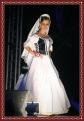
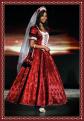
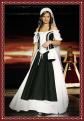
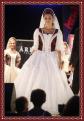
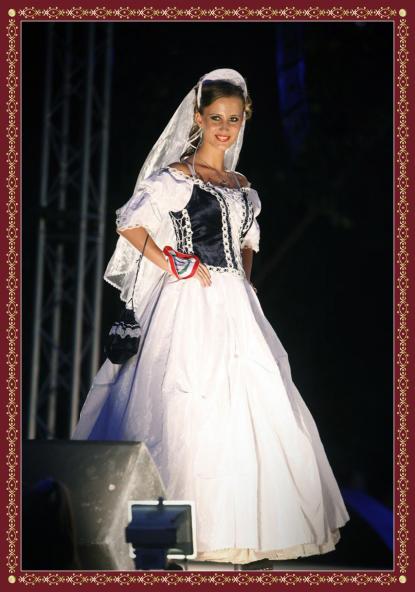
The Hudák Family Hand Weaving Workshop makes products that are juried by the Folk Applied Art Commission and Lectorate, e.g. homespun, textile and cloths made of them. They also make cloths of hemp, cotton and various other natural material. In addition to Hungarian vestments and habiliments, they make items of velvet, brocade and shantung, items they themselves design both for men and women. They make Bocskai suit, ornamental and wedding clothing. Dresses for women are made of various material, from linen to French velvet. The tailoring follows noble and civilian fashion and uses these motifs.
Mrs. József Hudák, Julika fell in live with homespun in her childhood because her grandmother was involved in making them. She learned the skill in her childhood and with time, practiced it on an ever higher level. She tried all forms of crafts, including plate painting, spinning, weaving, sawing, and embroidery. In 1978, she was awarded with the Merited Artist Award for her macramé works. She also held her first solo exhibition these days. She continued her education at the Békés County Folk Art Society. After graduating, she began teaching weaving. First she did carpets, wall hangings, later on canvas.
When her daughter was born, she hoped that she would continue in the family tradition. Her hope came true since Mariann showed interest in weaving already as a child. She learned making clothing at the Békés County Folk Art Society overseen by noted ethnographers. Mariann also graduated from school and now can teach weaving. She went to school in Budapest. She studied at the Hungarian Fashion Institute where she studied modelling and fashion. Then, she continued her education at M. Müller & Sohn Academy in Düsseldorf. She began a family business with her mother in 1989.
Their products are juried by the Folk Applied Art Committee and Lectorate, e.g. homespun, textile and cloths made of them. They also make cloths of hemp, cotton and various other natural material, and also Hungarian vestments and habiliments they make of velvet, brocade and shantung, items they themselves design both for men and women. They make Bocskai suit, ornamental and wedding clothing. They are often commissioned by choruses or dance groups to make costumes for their performances, such are e.g. the Duna Art Group, Maternica Folk Dance Group, Honvéd Group, Carmen Dance Studio.
Their work has been frequently recognized. They have been awarded many times. Masterpiece Award; International Textile Conference 3rd Prize, in 2010 2nd Prize; Expo prizes, Best Arts and Crafts Item from Hungary, Best Arts and Crafts Exhibition Prize (Szombathely).
They have seen both abroad and Hungary a number of times. E.g.: In Budapest, Tata, Milán, Ulm, Paris, Salerno and Specci .
Their masterpieces can be seen at various exhibitions. E.g the Hemp Museum in Murten, but also several locations in Hungary, too, e.g. Dévaványa, Békéscsaba, Budapest, Vésztő.
They regularly prepare dresses for the Alps-Adria International Beauty Contest.
They are honoured guests at many events in Hungary. For example: they have participated at the Celebration of Arts and Crafts in Budapest for the last twenty years. They are members of the Equestrian Circle, Too. They often visit events related to the celebration of wine, since where there is wine, there it is great to be a true Hungarian… They love traditional gastronomy events as they are members of the Hungaricum Centre. Last they represented Hungary in Brussels at the Hungarian Culture Institute and also at the House of Hungarians in Brussels.
Mrs. József Hudák, Julika fell in live with homespun in her childhood because her grandmother was involved in making them. She learned the skill in her childhood and with time, practiced it on an ever higher level. She tried all forms of crafts, including plate painting, spinning, weaving, sawing, and embroidery. In 1978, she was awarded with the Merited Artist Award for her macramé works. She also held her first solo exhibition these days. She continued her education at the Békés County Folk Art Society. After graduating, she began teaching weaving. First she did carpets, wall hangings, later on canvas.
When her daughter was born, she hoped that she would continue in the family tradition. Her hope came true since Mariann showed interest in weaving already as a child. She learned making clothing at the Békés County Folk Art Society overseen by noted ethnographers. Mariann also graduated from school and now can teach weaving. She went to school in Budapest. She studied at the Hungarian Fashion Institute where she studied modelling and fashion. Then, she continued her education at M. Müller & Sohn Academy in Düsseldorf. She began a family business with her mother in 1989.
Their products are juried by the Folk Applied Art Committee and Lectorate, e.g. homespun, textile and cloths made of them. They also make cloths of hemp, cotton and various other natural material, and also Hungarian vestments and habiliments they make of velvet, brocade and shantung, items they themselves design both for men and women. They make Bocskai suit, ornamental and wedding clothing. They are often commissioned by choruses or dance groups to make costumes for their performances, such are e.g. the Duna Art Group, Maternica Folk Dance Group, Honvéd Group, Carmen Dance Studio.
Their work has been frequently recognized. They have been awarded many times. Masterpiece Award; International Textile Conference 3rd Prize, in 2010 2nd Prize; Expo prizes, Best Arts and Crafts Item from Hungary, Best Arts and Crafts Exhibition Prize (Szombathely).
They have seen both abroad and Hungary a number of times. E.g.: In Budapest, Tata, Milán, Ulm, Paris, Salerno and Specci .
Their masterpieces can be seen at various exhibitions. E.g the Hemp Museum in Murten, but also several locations in Hungary, too, e.g. Dévaványa, Békéscsaba, Budapest, Vésztő.
They regularly prepare dresses for the Alps-Adria International Beauty Contest.
They are honoured guests at many events in Hungary. For example: they have participated at the Celebration of Arts and Crafts in Budapest for the last twenty years. They are members of the Equestrian Circle, Too. They often visit events related to the celebration of wine, since where there is wine, there it is great to be a true Hungarian… They love traditional gastronomy events as they are members of the Hungaricum Centre. Last they represented Hungary in Brussels at the Hungarian Culture Institute and also at the House of Hungarians in Brussels.
|
|