2026. January 14. Wednesday
Hungarian Museum of Trade and Tourism - Budapest
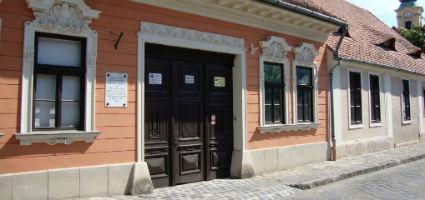 |
Address: 1036, Budapest Korona tér 1.
Phone number: (1) 212-1245
E-mail: mkvm@iif.hu
Opening hours: Tue-Sun 10-18
|
The exhibition has closed for visitors.
2011.12.04. - 2012.06.16.
Share it, if you like it:


Museum tickets, service costs:
|
Ticket for adults
|
1000 HUF
|
/ capita
|
|
Ticket for students
|
500 HUF
|
/ capita
|
|
Ticket for pensioners
|
500 HUF
|
/ capita
|
|
Ticket for families
(2 adults + 1 child)
|
2000 HUF
|
/ family
|
|
Ticket
|
640 HUF
|
/ capita
|
|
Guide
|
2000 HUF
|
|
|
Guide
|
3000 HUF
|
Our exhibition unites commercial and entertaining catering industry in order to have a look inside the cultural scene of the 19th century.
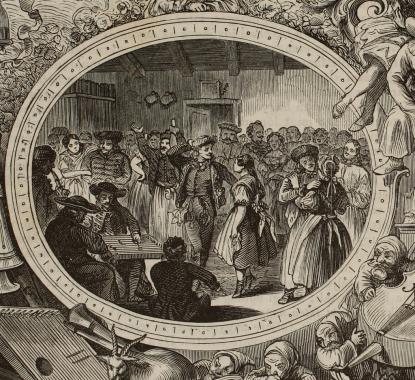
There were only a few concert and assembly halls at that time, so restaurants proved to be excellent locations for events. Various programmes were organized, in elegant environment, and mostly ended by feasts. The exhibition is also to review gypsy music, and the shed light on the esteem gypsy musicians were honoured with. These seemingly harmless forms of fun, on the other hand, were often criticised by politicians. Hungarian folk clothing, Hungarian dance, musical genders were vehicles of expression of national identity.
The other larger thematic unit in the exhibition is 'commerce of music' serving consumers through a furnished shop, various advertisement items and some special music boxes. The visitors may listen to some of the music, and also wander virtually among composers, performers and locations, even various dances.
There were only a few concert and assembly halls at that time, so restaurants proved to be excellent locations for events. Various programmes were organized, in elegant environment, and mostly ended by feasts. The exhibition is also to review gypsy music, and the shed light on the esteem gypsy musicians were honoured with. These seemingly harmless forms of fun, on the other hand, were often criticised by politicians. Hungarian folk clothing, Hungarian dance, musical genders were vehicles of expression of national identity.
The other larger thematic unit in the exhibition is 'commerce of music' serving consumers through a furnished shop, various advertisement items and some special music boxes. The visitors may listen to some of the music, and also wander virtually among composers, performers and locations, even various dances.
|
|