2026. June 9. Tuesday
House of Terror Museum - Budapest
 |
Address: 1062, Budapest Andrássy út 60.
Phone number: (1) 374-2600
E-mail: muzeum@terrorhaza.hu
Opening hours: Tue-Sun 10.00-18.00
|
The exhibition has closed for visitors.
2005.02.25. - 2006.04.30.
Share it, if you like it:


Museum tickets, service costs:
|
Ticket
(valid for the temporary exhibitions, the permanent exhibition is not included )
|
1000 HUF
|
/ capita
|
|
Ticket for adults
|
2000 HUF
|
|
|
Group ticket for adults
(from over 20 people)
|
1500 HUF
|
/ capita
|
|
Ticket for students
(EU citizens from the age of 2 to 26 or with ISIC Card )
|
1000 HUF
|
|
|
Group ticket for students
(from over 20 people)
|
800 HUF
|
/ capita
|
|
Ticket for pensioners
(EU citizens from the age of 62 to 70)
|
1000 HUF
|
|
|
Group ticket for pensioners
(from over 20 people)
|
800 HUF
|
/ capita
|
|
Supplementary fee
(valid for the temporary exhibitions, extra ticket for the permanent exhibition )
|
500 HUF
|
/ capita
|
|
Group guide
(max. 30 people)
|
6000 HUF
|
|
|
Group guide
(2 groups, max. 60 people)
|
8000 HUF
|
|
|
Group guide
(max. 30 people)
|
8000 HUF
|
|
|
Group guide
(2 groups, max. 60 people)
|
15000 HUF
|
|
|
Audio guide
(in English, German)
|
1500 HUF
|
More than 700 thousand Hungarian citizens were taken prisoner by the Soviets during World War II. History books remain silent about their fate. The motivation behind this silence is unfortunately consciously bred ignorance.
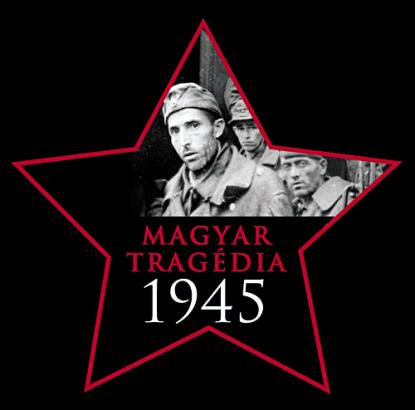
Ever since 1945, the powers that be have insisted on creating the impression that the Soviets had captured only actively fighting soldiers, whom their captors had magnanimously repatriated even before the peace treaty was signed.
In reality about one third of the prisoners were civilians, and the number of Hungarians sentenced on trumped-up charges and confined to the camps of the GULAG exceeded the figure of several thousand.
The prisoners-of-war and the civilian internees were made to work for years in the labour camps of the Soviet Union. The last major prisoner transports did not arrive back until 1955 (!). It is also a fact that, due to maltreatment and poor living conditions, some 300 thousand Hungarian citizens lost their lives en route, in the reception-, transit- and forced labour camps.
Ever since 1945, the powers that be have insisted on creating the impression that the Soviets had captured only actively fighting soldiers, whom their captors had magnanimously repatriated even before the peace treaty was signed.
In reality about one third of the prisoners were civilians, and the number of Hungarians sentenced on trumped-up charges and confined to the camps of the GULAG exceeded the figure of several thousand.
The prisoners-of-war and the civilian internees were made to work for years in the labour camps of the Soviet Union. The last major prisoner transports did not arrive back until 1955 (!). It is also a fact that, due to maltreatment and poor living conditions, some 300 thousand Hungarian citizens lost their lives en route, in the reception-, transit- and forced labour camps.
|
|