2026. June 9. Tuesday
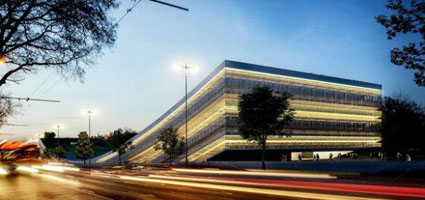
Museum of Ethnography - Budapest
 |
Address: 1146, Budapest Dózsa György út - Ötvenhatosok tere
Phone number: (1) 473-2400
E-mail: info@neprajz.hu
Opening hours: Tue-Sun 10-18
|
The exhibition has closed for visitors.
2013.03.22. - 2013.09.08.
Share it, if you like it:


Museum tickets, service costs:
|
Individual ticket for adults
|
3000 HUF
|
|
|
Individual ticket for adults
(1 hour before closing)
|
1600 HUF
|
|
|
Group ticket for adults
(min. 10 people)
|
2600 HUF
|
/ capita
|
|
Individual ticket for students
|
1500 HUF
|
|
|
Individual ticket for students
(1 hour before closing)
|
800 HUF
|
|
|
Group ticket for students
(min. 10 people)
|
1300 HUF
|
/ capita
|
|
Individual ticket for pensioners
|
1500 HUF
|
|
|
Individual ticket for pensioners
(1 hour before closing)
|
800 HUF
|
|
|
Group ticket for pensioners
(min. 10 people)
|
1300 HUF
|
/ capita
|
|
Ticket for families
(2 adults + max. 3 children (up to 18 years old))
|
6300 HUF
|
/ family
|
|
Individual combined ticket for adults
(Zoom permanent exhibition + Ceramics Space + MÉTA)
|
1700 HUF
|
|
|
Individual combined ticket for adults
(We Have Arrived temporary exhibition + Ceramics Space + MÉTA)
|
2000 HUF
|
|
|
Individual combined ticket for students
(Zoom permanent exhibition + Ceramics Space + MÉTA)
|
850 HUF
|
|
|
Individual combined ticket for students
|
1000 HUF
|
|
|
Individual combined ticket for pensioners
(Zoom permanent exhibition + Ceramics Space + MÉTA)
|
850 HUF
|
|
|
Individual combined ticket for pensioners
(We Have Arrived temporary exhibition + Ceramics Space + MÉTA)
|
1000 HUF
|
|
|
Group walk ticket
(building walk, max. 15 people)
|
1500 HUF
|
/ capita
|
|
Group walk ticket for students
(Méta gallop, 10-20 people)
|
1200 HUF
|
/ capita
|
|
Group walk ticket
(building walk, in English, max. 15 people)
|
1800 HUF
|
/ capita
|
|
Group walk ticket for students
(Méta gallop, 10-20 people, in English)
|
1400 HUF
|
/ capita
|
|
Group guide
(10-20 people)
|
1000 HUF
|
/ capita
|
|
Group guide
(thematic, whit the curator of the exhibition, 5-20 people)
|
1300 HUF
|
/ capita
|
|
Group guide for students
(min. 10 people)
|
800 HUF
|
/ capita
|
|
Group guide
(10-20 people, in English)
|
1300 HUF
|
/ capita
|
|
Group guide
(thematic, whit the curator of the exhibition, in English, 5-20 people)
|
1690 HUF
|
/ capita
|
|
Group guide for students
(in English, 10-20 people)
|
1000 HUF
|
/ capita
|
|
Audio guide
|
1000 HUF
|
|
|
Photography
(for camera, camera-stand and telephoto lens)
|
700 HUF
|
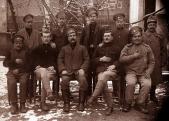
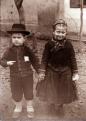
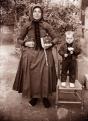
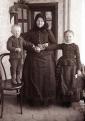
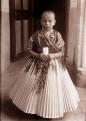
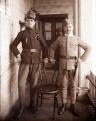
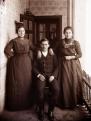
In the period from 1916 to 1920 , a village teacher, collector of ethnography and amateur photographer Béla Hernai photographed the residents of the village Véménd, Baranya County in 700 glass negatives. The photos were taken in times, during WWI, when significant changes took place in the life of the village. At the beginning of the 20th century, Catholic Germans, Orthodox Serbians, Catholic and Calvinist Germans, Jews and Catholic Gypsies lived side by side. They spoke and understood the language of one another. They respected the culture and tradition of one another. Their identity was shaped by lingual, ethnic and religious differences, and one more thing: they all lived in Véménd.
The colourful ethnic and religious environment changed significantly due to the events in the 20th century. The value in the photos Béla Hernai took nearly one-hundred years ago is partly in the detail that it was the last days of a village community. Since the photos the photos feel like a special 'moment' in the life of the village.
|
|