2026. June 9. Tuesday
Museum of Ethnography - Budapest
 |
Address: 1146, Budapest Dózsa György út - Ötvenhatosok tere
Phone number: (1) 473-2400
E-mail: info@neprajz.hu
Opening hours: Tue-Sun 10-18
|
The exhibition has closed for visitors.
2013.02.22. - 2013.06.16.
Share it, if you like it:


Museum tickets, service costs:
|
Individual ticket for adults
|
3000 HUF
|
|
|
Individual ticket for adults
(1 hour before closing)
|
1600 HUF
|
|
|
Group ticket for adults
(min. 10 people)
|
2600 HUF
|
/ capita
|
|
Individual ticket for students
|
1500 HUF
|
|
|
Individual ticket for students
(1 hour before closing)
|
800 HUF
|
|
|
Group ticket for students
(min. 10 people)
|
1300 HUF
|
/ capita
|
|
Individual ticket for pensioners
|
1500 HUF
|
|
|
Individual ticket for pensioners
(1 hour before closing)
|
800 HUF
|
|
|
Group ticket for pensioners
(min. 10 people)
|
1300 HUF
|
/ capita
|
|
Ticket for families
(2 adults + max. 3 children (up to 18 years old))
|
6300 HUF
|
/ family
|
|
Individual combined ticket for adults
(Zoom permanent exhibition + Ceramics Space + MÉTA)
|
1700 HUF
|
|
|
Individual combined ticket for adults
(We Have Arrived temporary exhibition + Ceramics Space + MÉTA)
|
2000 HUF
|
|
|
Individual combined ticket for students
(Zoom permanent exhibition + Ceramics Space + MÉTA)
|
850 HUF
|
|
|
Individual combined ticket for students
|
1000 HUF
|
|
|
Individual combined ticket for pensioners
(Zoom permanent exhibition + Ceramics Space + MÉTA)
|
850 HUF
|
|
|
Individual combined ticket for pensioners
(We Have Arrived temporary exhibition + Ceramics Space + MÉTA)
|
1000 HUF
|
|
|
Group walk ticket
(building walk, max. 15 people)
|
1500 HUF
|
/ capita
|
|
Group walk ticket for students
(Méta gallop, 10-20 people)
|
1200 HUF
|
/ capita
|
|
Group walk ticket
(building walk, in English, max. 15 people)
|
1800 HUF
|
/ capita
|
|
Group walk ticket for students
(Méta gallop, 10-20 people, in English)
|
1400 HUF
|
/ capita
|
|
Group guide
(10-20 people)
|
1000 HUF
|
/ capita
|
|
Group guide
(thematic, whit the curator of the exhibition, 5-20 people)
|
1300 HUF
|
/ capita
|
|
Group guide for students
(min. 10 people)
|
800 HUF
|
/ capita
|
|
Group guide
(10-20 people, in English)
|
1300 HUF
|
/ capita
|
|
Group guide
(thematic, whit the curator of the exhibition, in English, 5-20 people)
|
1690 HUF
|
/ capita
|
|
Group guide for students
(in English, 10-20 people)
|
1000 HUF
|
/ capita
|
|
Audio guide
|
1000 HUF
|
|
|
Photography
(for camera, camera-stand and telephoto lens)
|
700 HUF
|
The exhibition entitled TRANSITIVE VERB CONJUGATION→subjective ethnography is a small and dense work on how we may place traditional museum items by modern, new acquisition. 33 objects in 7 images, it is rally surprising, still very implicit. Classic themes from ethnography, discussion of the past and now. About the past , the present and the museum, and of course, the exhibition itself. The educational exhibition is oriented to the school term and also works as a museum semester, with exciting classes for all ages.
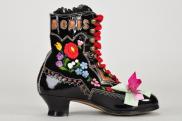
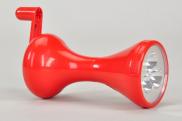
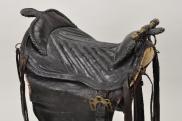
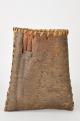
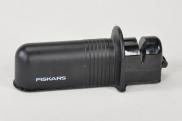
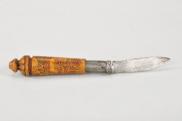
33 objects in 7 images. Classic themes of ethnography, old and present day items, ornamental art, ancient forms, mass products, designed products, items built on order. Just like in a museum collection: they tell a tale of the past and others together, they talk about similarity and differences. They stand side by side, often in conflict with one another. Colourful patterns. .
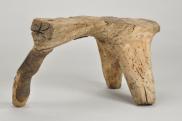
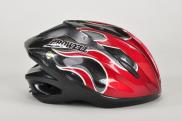
What is the connection between a fine harness from the 19th century and a toy car engine made of plastic? Do we see similarity between a spoon made of bird beak and a plastic spoon? Do we ever think about the technological changes brought on by an oil lamp and a condenser lamp? How do raincoats and bicycle helmets protect us differently nowadays? What do we learn about interior design seeing a hand carved chair or an inflatable armchair? And what do we learn about museology?
What do objects tell us about? Who are the story tellers? Are they the scientists? Or logistics professionals? Or designers who made the product? Or even people in the streets? The woman next door? Or we ourselves? Maybe we, together?
The museum collection tells the story in our exhibition. The collection is made up of items of various ages, ornaments and material, from our past and present. What they offer is something different, in various contexts. Some we know about a lot, and some we hardly know of anything. But we keep on asking them questions.
|
|