2026. June 9. Tuesday
*King St. Stephen Museum - Székesfehérvár
|
|
Address: 8000, Székesfehérvár Országzászló tér 3.
Phone number: (22) 398-083, (22) 315-583
E-mail: titkarsag@szikm.hu
Opening hours: Temporarily closed.
|
The exhibition has closed for visitors.
2012.05.19. - 2012.08.26.
Share it, if you like it:


Museum tickets, service costs:
|
Ticket for adults
|
900 HUF
|
/ capita
|
|
Ticket for adults
(valid for the temporal exhibition)
|
700 HUF
|
/ capita
|
|
Ticket for adults
(valid for the permanent and temporal exhibitions)
|
1400 HUF
|
/ capita
|
|
Group ticket for adults
(min. 10 people)
|
800 HUF
|
/ capita
|
|
Group ticket for adults
(valid for the temporal exhibition, min. 10 people)
|
600 HUF
|
/ capita
|
|
Group ticket for adults
(valid for the permanent and temporal exhibitions, min. 10 people)
|
1300 HUF
|
/ capita
|
|
Ticket for students
|
450 HUF
|
/ capita
|
|
Ticket for students
(valid for the temporal exhibition)
|
350 HUF
|
/ capita
|
|
Ticket for students
(valid for the permanent and temporal exhibitions)
|
700 HUF
|
/ capita
|
|
Group ticket for students
(min. 10 people)
|
350 HUF
|
/ capita
|
|
Group ticket for students
(valid for the temporal exhibition, min. 10 people)
|
250 HUF
|
/ capita
|
|
Group ticket for students
(valid for the permanent and temporal exhibitions, min. 10 people)
|
600 HUF
|
/ capita
|
|
Ticket for pensioners
(valid for the temporal exhibition)
|
350 HUF
|
/ capita
|
|
Ticket for pensioners
(valid for the permanent and temporal exhibitions)
|
700 HUF
|
/ capita
|
|
Ticket for pensioners
|
450 HUF
|
/ capita
|
|
Group ticket for pensioners
(valid for the temporal exhibition, min. 10 people)
|
250 HUF
|
/ capita
|
|
Group ticket for pensioners
(valid for the permanent and temporal exhibitions, min. 10 people)
|
600 HUF
|
/ capita
|
|
Group ticket for pensioners
(min. 10 people)
|
350 HUF
|
/ capita
|
|
Ticket for families
|
2000 HUF
|
/ family
|
|
Ticket for families
(valid for the temporal exhibition)
|
1500 HUF
|
/ family
|
|
Ticket for families
(valid for the permanent and temporal exhibitions)
|
3000 HUF
|
/ family
|
|
Group guide for adults
(max. 25 people)
|
6100 HUF
|
/ group
|
|
Group guide for adults
(from over 26 people)
|
7200 HUF
|
/ group
|
|
Group guide for students
(max. 25 people)
|
2800 HUF
|
/ group
|
|
Group guide for students
(from over 26 people)
|
3500 HUF
|
/ group
|
|
Group guide for students
(max. 25 people)
|
8300 HUF
|
/ group
|
|
Group guide for students
(from over 26 people)
|
9500 HUF
|
/ group
|
|
Group guide for pensioners
(max. 25 people)
|
2800 HUF
|
/ group
|
|
Group guide for pensioners
(from over 26 people)
|
3500 HUF
|
/ group
|
The focus of interest for László Győrffy is the human being. For him, the human body, as a motif, is the carrier of phenomena surrounding it, giving sign of its alienated situation at the same time. He draws on technology-based media: he is directly inspired by various films, videos and photos.
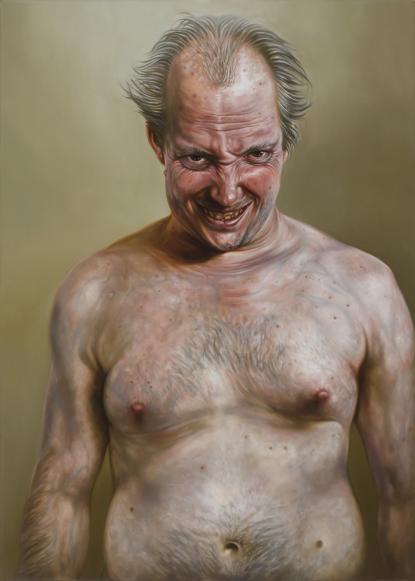
He mixes humour and horror, tragedy and amusement, personal an impersonal, irony and drama, fiction and reality, cool and emotion, traditional and classic art, painting and technology.
The exhibition in Székesfehérvár is retrospect by definition: including László Győrffy’s early works, works before he became a professional to the freshest works. However, the exhibition focuses on the past five years’ subjective images and parallel application of various media. The exhibition is not only to ascertain but also to document what were the typical features of the past exhibitions. Instead of giving a definite answer, the exhibition often reinterprets the various stages of the artist László Győrffiy.
The material consists of over 100 works of art.
He mixes humour and horror, tragedy and amusement, personal an impersonal, irony and drama, fiction and reality, cool and emotion, traditional and classic art, painting and technology.
The exhibition in Székesfehérvár is retrospect by definition: including László Győrffy’s early works, works before he became a professional to the freshest works. However, the exhibition focuses on the past five years’ subjective images and parallel application of various media. The exhibition is not only to ascertain but also to document what were the typical features of the past exhibitions. Instead of giving a definite answer, the exhibition often reinterprets the various stages of the artist László Győrffiy.
The material consists of over 100 works of art.
|
|