2026. June 9. Tuesday
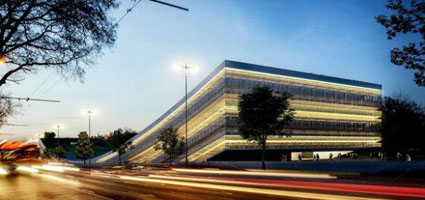
Museum of Ethnography - Budapest
 |
Address: 1146, Budapest Dózsa György út - Ötvenhatosok tere
Phone number: (1) 473-2400
E-mail: info@neprajz.hu
Opening hours: Tue-Sun 10-18
|
The exhibition has closed for visitors.
2012.04.17. - 2012.06.24.
Share it, if you like it:


Museum tickets, service costs:
|
Individual ticket for adults
|
3000 HUF
|
|
|
Individual ticket for adults
(1 hour before closing)
|
1600 HUF
|
|
|
Group ticket for adults
(min. 10 people)
|
2600 HUF
|
/ capita
|
|
Individual ticket for students
|
1500 HUF
|
|
|
Individual ticket for students
(1 hour before closing)
|
800 HUF
|
|
|
Group ticket for students
(min. 10 people)
|
1300 HUF
|
/ capita
|
|
Individual ticket for pensioners
|
1500 HUF
|
|
|
Individual ticket for pensioners
(1 hour before closing)
|
800 HUF
|
|
|
Group ticket for pensioners
(min. 10 people)
|
1300 HUF
|
/ capita
|
|
Ticket for families
(2 adults + max. 3 children (up to 18 years old))
|
6300 HUF
|
/ family
|
|
Individual combined ticket for adults
(Zoom permanent exhibition + Ceramics Space + MÉTA)
|
1700 HUF
|
|
|
Individual combined ticket for adults
(We Have Arrived temporary exhibition + Ceramics Space + MÉTA)
|
2000 HUF
|
|
|
Individual combined ticket for students
(Zoom permanent exhibition + Ceramics Space + MÉTA)
|
850 HUF
|
|
|
Individual combined ticket for students
|
1000 HUF
|
|
|
Individual combined ticket for pensioners
(Zoom permanent exhibition + Ceramics Space + MÉTA)
|
850 HUF
|
|
|
Individual combined ticket for pensioners
(We Have Arrived temporary exhibition + Ceramics Space + MÉTA)
|
1000 HUF
|
|
|
Group walk ticket
(building walk, max. 15 people)
|
1500 HUF
|
/ capita
|
|
Group walk ticket for students
(Méta gallop, 10-20 people)
|
1200 HUF
|
/ capita
|
|
Group walk ticket
(building walk, in English, max. 15 people)
|
1800 HUF
|
/ capita
|
|
Group walk ticket for students
(Méta gallop, 10-20 people, in English)
|
1400 HUF
|
/ capita
|
|
Group guide
(10-20 people)
|
1000 HUF
|
/ capita
|
|
Group guide
(thematic, whit the curator of the exhibition, 5-20 people)
|
1300 HUF
|
/ capita
|
|
Group guide for students
(min. 10 people)
|
800 HUF
|
/ capita
|
|
Group guide
(10-20 people, in English)
|
1300 HUF
|
/ capita
|
|
Group guide
(thematic, whit the curator of the exhibition, in English, 5-20 people)
|
1690 HUF
|
/ capita
|
|
Group guide for students
(in English, 10-20 people)
|
1000 HUF
|
/ capita
|
|
Audio guide
|
1000 HUF
|
|
|
Photography
(for camera, camera-stand and telephoto lens)
|
700 HUF
|
For most of the people, climate change is just an unfathomable notion. In the northern part of Greenland, however, climate change is reality. The average temperature in the Arctic grew two times faster in the past decades than in any other part of the world. Moreover, climate change will most probably speed up in the next decades. All this will result in basic environmental, social and economic changes in Greenland.

The exhibition organized by the Danish Cultural Institute deals with climate change, showing it the way people living in Ilulissat, near the famous fiord also listed among the World Heritage by Unesco, experience it. A research based on interviews in 2010 showed that the biggest threat on Earth is climate changes and the using up natural sources. The material is made up on photos and interview by the writer and photographer Jorgen Chemnitz, as well as video interviews, posters by which he wanted to direct attention on the dangers in climate change: everybody must understand that this real big problem needs to be solved.
In the 23 video interviews, locals talk about the experiences on climate change. Fishermen, hunting professionals, policemen, nurses, vets, tourism experts, and hotel managers, the Mayor, a pilot, entrepreneur, students, priests, the museum manager, teacher and many others talk about their experiences.
The photos on display are accompanied by posters by the Geological Survey of Denmark and Greenland about the problems that arose with the rising of the sea level.
The exhibition organized by the Danish Cultural Institute deals with climate change, showing it the way people living in Ilulissat, near the famous fiord also listed among the World Heritage by Unesco, experience it. A research based on interviews in 2010 showed that the biggest threat on Earth is climate changes and the using up natural sources. The material is made up on photos and interview by the writer and photographer Jorgen Chemnitz, as well as video interviews, posters by which he wanted to direct attention on the dangers in climate change: everybody must understand that this real big problem needs to be solved.
In the 23 video interviews, locals talk about the experiences on climate change. Fishermen, hunting professionals, policemen, nurses, vets, tourism experts, and hotel managers, the Mayor, a pilot, entrepreneur, students, priests, the museum manager, teacher and many others talk about their experiences.
The photos on display are accompanied by posters by the Geological Survey of Denmark and Greenland about the problems that arose with the rising of the sea level.
|
|