Event calendar
2026. June
1
2
3
4
5
6
7
8
9
10
11
12
13
14
15
16
17
18
19
20
21
22
23
24
25
26
27
28
29
30
1
2
3
4
5
2026.04.24. - 2026.09.20.
Budapest
2025.05.28. - 2025.09.28.
Budapest
2025.04.17. - 2025.05.17.
Budapest
2025.04.10. - 2025.05.11.
Szombathely
2025.04.07. - 2025.04.11.
Budapest
2025.03.28. - 2025.05.11.
Budapest
M80
2025.03.05. - 2025.09.15.
Budapest
2025.02.06. - 2025.05.11.
Budapest
2024.12.13. - 2025.06.30.
Budapest
2024.12.12. - 2025.06.01.
Budapest
2012.03.01. - 2012.03.31.
Vác
2012.02.01. - 2012.02.29.
Miskolc
2012.01.22. - 1970.01.01.
Budapest
2011.10.04. - 1970.01.01.
Nagykáta
2011.10.01. - 1970.01.01.
Nagykáta
2011.10.01. - 1970.01.01.
Nagykáta
2011.09.30. - 1970.01.01.
Nagykáta
2011.09.30. - 1970.01.01.
Nagykáta
2011.07.04. - 2011.07.08.
Budapest
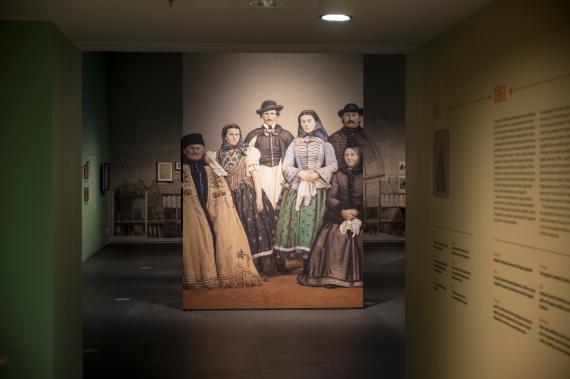
Hungary in Colour
Temporary exhibition 2025.03.05. - 2025.09.15.
Museum of Ethnography, Budapest

Hungary in Colour

The exhibition presents a remarkable collection never before seen in Hungary, recently discovered by researchers. The focal point of the exhibition is a series of photographs showcasing traditional Hungarian folk attire from various regions and settlements, originally displayed at the 1862 International Exhibition in London. Thought to have been lost, the photographs by János Tiedge have been loaned from the collection of the Victoria & Albert Museum in London. continue
Temporary exhibition 2025.03.28. - 2025.05.11.
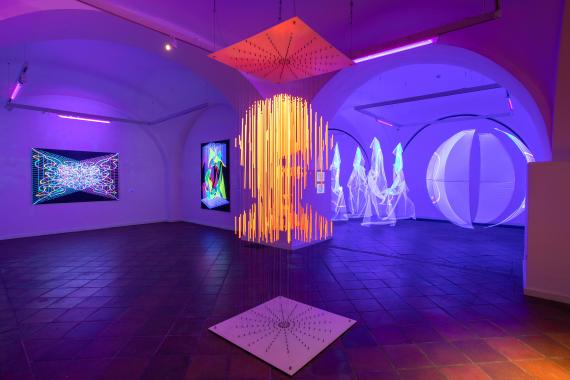
Vasarely Museum, Budapest

M80

András Mengyán, a distinguished artist, designer, and professor, is a leading figure in Hungarian visual and applied arts, having been awarded the prestigious Prima Primissima Prize in 2024. continue
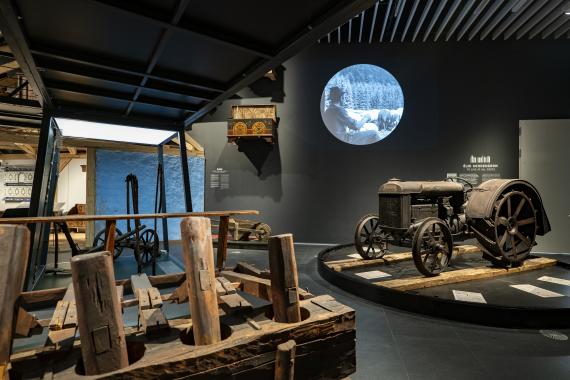
Temporary exhibition 2024.10.15. - 2025.08.31.
Museum of Ethnography, Budapest

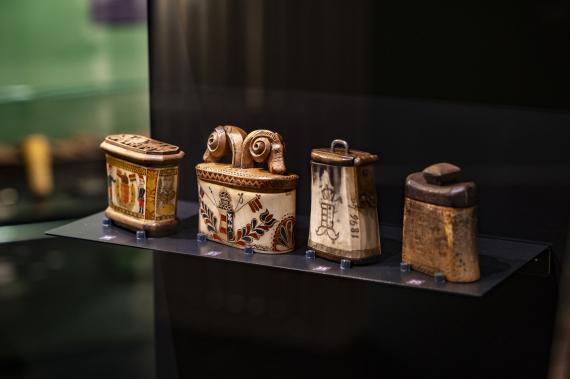
Székelys

Who are the Székelys really? What do we know about Székely Land? What ideas and beliefs do we have about the Székely people? What is the reality? How do the people of Székely Land see themselves? continue
Temporary exhibition 2024.12.13. - 2025.06.30.
Museum of Ethnography, Budapest

Our Most Brilliant Mind and the First Among Hungarian Scientists: Ottó Herman

By staging this joint exhibition, the Museum of Ethnography and the Museum of the Hungarian Parliament pay tribute to the memory of the great Hungarian polymath Ottó Herman on the occasion of the 190th anniversary of his birth and the 110th anniversary of his death. continue
Permanent exhibition
István Dobó Museum, Eger

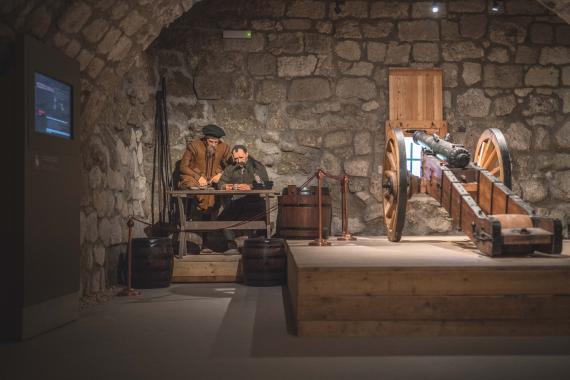
Gunpowder smoke among the stones of the fortress...

The outer and inner castle system was developed in the 1540s. The passage between them was the Dark Gate which is still visible today. The outer castle was destroyed in 1702, but the gate continued to be used and was only walled up at the beginning of the 19th century. continue
Permanent exhibition
Tokaj Museum, Tokaj

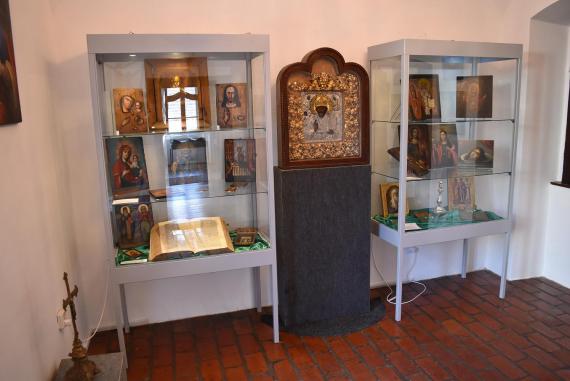
Ecclesiological Exhibition

One of the most spectacular and the most valuable unit of the museum’s permanent exhibition is the ecclesiological exhibition on the first floor. Mr. Béla Béres, a priest from Tokaj offered his 800 pieces collection to his favourite town’s museum in 1981. continue
The museum building
This house is more than just a museum in the traditional sense of the word. The purpose of the founders has been to preserve and show as much as possible of both Szőnyi's works and the milieu where these works were created. So visitors seeing the collection of Szőnyi's outstanding works the visitors can enter a world not existing any more, can get acquainted with the relics of the studio otherwise closed from the public. continue
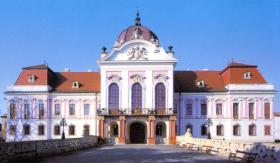
Entrance to the Royal Palace
One of the most respected noblemen of the 18th century, Count Antal Grassalkovich I (1694-1771) started the construction works of the Gödöllő Palace in 1735. The first contstruction phase lasted until 1749. This was the time when the first U-shaped wing embracing the inner courtyard was completed based on András Mayerhoffer's plans, including the ornamental hall and the noble suites. continue
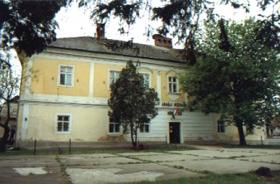
The museum building
The institution, which functions in the building of the "Crock Inn", was established in 1985. The collection and researching activities of the institute serves the region of Borsod-Abaúj-Zemplén county. continue
The museum functions in the ex-residency of one of the most flourishing textile businesses of the past, in the main building of the Goldberger Company founded in 1784. In the ground floor of the more then 200-year-old building there had been a clothe-painting business going on, and the first floor was used by the Goldberger family. In the continuously expounding factory there were made pressed textiles, a number of which were meant for European export. continue
The museum building
The permanent exhibition presents the works of László Holló, Ferenc Medgyesy, Gyula Feledy, Imre Szilágyi, Sándor Bodó, János Józsa, András Kiss Nagy. In the two temporal exhibition halls a variety of collections are displayed, which present the works of artists coming from the region. continue
The museum building
János Simor, primate of Esztregom, founded the Christian Museum. It was first opened on 12, October, 1875. Simor brought material among others from the Migazzi-, Odescalchi-, Volavy- and the Bertinelli collections. continue