Event calendar
2026. June
1
2
3
4
5
6
7
8
9
10
11
12
13
14
15
16
17
18
19
20
21
22
23
24
25
26
27
28
29
30
1
2
3
4
5
2026.04.24. - 2026.09.20.
Budapest
2025.05.28. - 2025.09.28.
Budapest
2025.04.17. - 2025.05.17.
Budapest
2025.04.10. - 2025.05.11.
Szombathely
2025.04.07. - 2025.04.11.
Budapest
2025.03.28. - 2025.05.11.
Budapest
M80
2025.03.05. - 2025.09.15.
Budapest
2025.02.06. - 2025.05.11.
Budapest
2024.12.13. - 2025.06.30.
Budapest
2024.12.12. - 2025.06.01.
Budapest
2012.03.01. - 2012.03.31.
Vác
2012.02.01. - 2012.02.29.
Miskolc
2012.01.22. - 1970.01.01.
Budapest
2011.10.04. - 1970.01.01.
Nagykáta
2011.10.01. - 1970.01.01.
Nagykáta
2011.10.01. - 1970.01.01.
Nagykáta
2011.09.30. - 1970.01.01.
Nagykáta
2011.09.30. - 1970.01.01.
Nagykáta
2011.07.04. - 2011.07.08.
Budapest
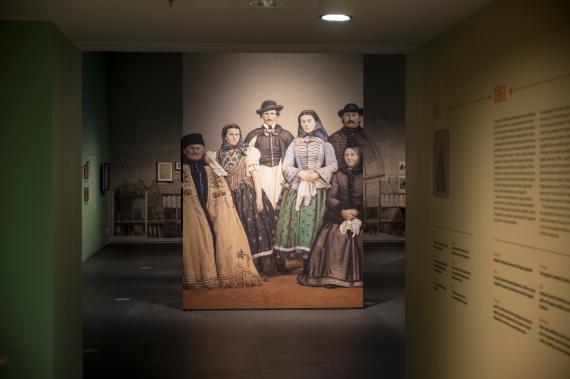
Hungary in Colour
Temporary exhibition 2025.03.05. - 2025.09.15.
Museum of Ethnography, Budapest

Hungary in Colour

The exhibition presents a remarkable collection never before seen in Hungary, recently discovered by researchers. The focal point of the exhibition is a series of photographs showcasing traditional Hungarian folk attire from various regions and settlements, originally displayed at the 1862 International Exhibition in London. Thought to have been lost, the photographs by János Tiedge have been loaned from the collection of the Victoria & Albert Museum in London. continue
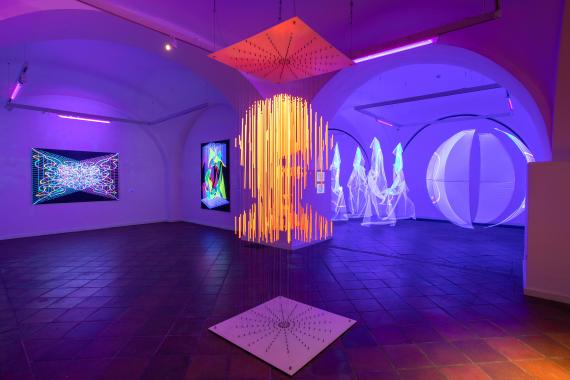
Temporary exhibition 2025.03.28. - 2025.05.11.
Vasarely Museum, Budapest

M80

András Mengyán, a distinguished artist, designer, and professor, is a leading figure in Hungarian visual and applied arts, having been awarded the prestigious Prima Primissima Prize in 2024. continue
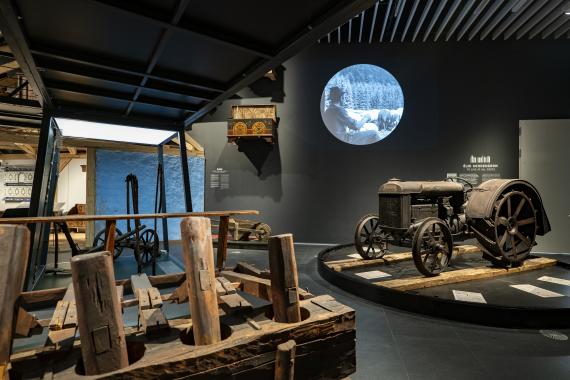
Temporary exhibition 2024.10.15. - 2025.08.31.
Museum of Ethnography, Budapest

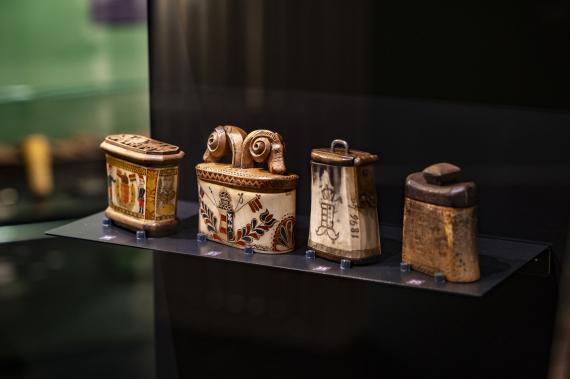
Székelys

Who are the Székelys really? What do we know about Székely Land? What ideas and beliefs do we have about the Székely people? What is the reality? How do the people of Székely Land see themselves? continue
Temporary exhibition 2024.12.13. - 2025.06.30.
Museum of Ethnography, Budapest

Our Most Brilliant Mind and the First Among Hungarian Scientists: Ottó Herman

By staging this joint exhibition, the Museum of Ethnography and the Museum of the Hungarian Parliament pay tribute to the memory of the great Hungarian polymath Ottó Herman on the occasion of the 190th anniversary of his birth and the 110th anniversary of his death. continue
Permanent exhibition
István Dobó Museum, Eger

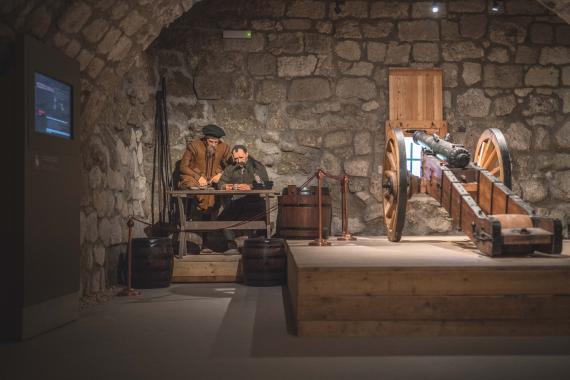
Gunpowder smoke among the stones of the fortress...

The outer and inner castle system was developed in the 1540s. The passage between them was the Dark Gate which is still visible today. The outer castle was destroyed in 1702, but the gate continued to be used and was only walled up at the beginning of the 19th century. continue
Permanent exhibition
Tokaj Museum, Tokaj

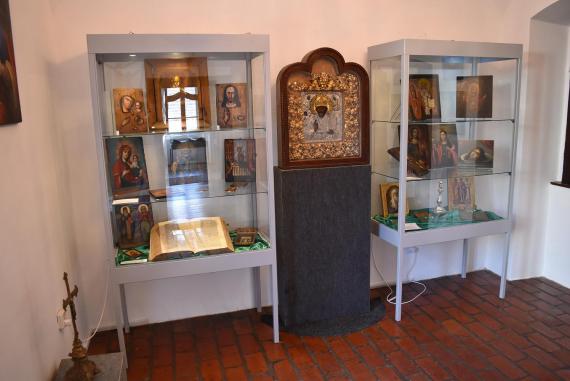
Ecclesiological Exhibition

One of the most spectacular and the most valuable unit of the museum’s permanent exhibition is the ecclesiological exhibition on the first floor. Mr. Béla Béres, a priest from Tokaj offered his 800 pieces collection to his favourite town’s museum in 1981. continue
Museum entrance
The building of the museum of the Virágh Mansion House was built in the 19th century in Classicist style. The cottage bares the name of its old owners who were honored members of society. Our exhibition has several faces: the visitors may see documents of local history, ethnography, or natural history. continue
Storno Collection
Our exhibition displays the collection of the family in the rooms that the family utilised between 1875 and 1984. The enteriours furnished by old relics and the art works of the family give us a faithful picture of the dwelling cultutóre at the end of the 19th century. Visitors may see valuable pieces of furniture, weapons, glass and porcelain works, etc. continue
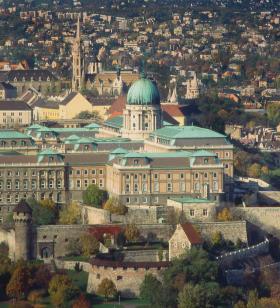
The emuseum entrance opens from the inner yard of the castle
Thanks to her growing sense of nationhood and her developing middle class, during the course of the nineteenth century Hungary saw the creation of several museums. First among these new institutions was the National Museum. A museum dedicated solely to the history of Budapest came into existence only toward the end of the last century. Its core collection consisted of finds from the building sites, from archaeological excavations, and earlier collections which help shed light on of Budapest's history. continue
The Center for Visitors of Körösvölgy
The center of the Management of the Körös-Maros National Park is situated in the Csáky-Bolza Castle in the town of Szarvas in the Dead-Körös area. The headquarters is surrounded by 26 acres of park. The Anna Park is a unique green with exclusive values. Besides the natural beauty of the castle, the park also represents significant cultural values. continue
The Museum Union of Nógrád County was formed in Balassagyarmat in 15th March 1891. The main purpose of the union was to search for and collect everything connected to history, archeology, ethnography and natural science of especially Nógrád county. continue
Archeology Park
The ashes of the dead were scattered over the floor of the funnel-shaped passage leading to the grave chamber. The architectural reconstruction re-created the original geometry of the mound. Inside the tumulus, a multimedia-show with sound and light effects tells about the burial rite of the age. continue
The museum building
One of the most significant institutions of the museum is the science labor that performs the collecting, preserving, and displaying functions according to needs. The number of the pieces in the collection is over half a million. The storages hold the material of five fields of study: art history, ethnography, archeology, the history of modern age, and natural sciences. Among them, we can find objects, documents from the archives, photos, and sound material. continue