Event calendar
2026. June
1
2
3
4
5
6
7
8
9
10
11
12
13
14
15
16
17
18
19
20
21
22
23
24
25
26
27
28
29
30
1
2
3
4
5
2026.04.24. - 2026.09.20.
Budapest
2025.05.28. - 2025.09.28.
Budapest
2025.04.17. - 2025.05.17.
Budapest
2025.04.10. - 2025.05.11.
Szombathely
2025.04.07. - 2025.04.11.
Budapest
2025.03.28. - 2025.05.11.
Budapest
M80
2025.03.05. - 2025.09.15.
Budapest
2025.02.06. - 2025.05.11.
Budapest
2024.12.13. - 2025.06.30.
Budapest
2024.12.12. - 2025.06.01.
Budapest
2012.03.01. - 2012.03.31.
Vác
2012.02.01. - 2012.02.29.
Miskolc
2012.01.22. - 1970.01.01.
Budapest
2011.10.04. - 1970.01.01.
Nagykáta
2011.10.01. - 1970.01.01.
Nagykáta
2011.10.01. - 1970.01.01.
Nagykáta
2011.09.30. - 1970.01.01.
Nagykáta
2011.09.30. - 1970.01.01.
Nagykáta
2011.07.04. - 2011.07.08.
Budapest
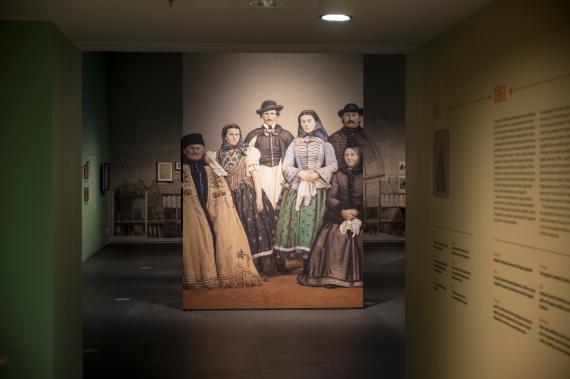
Hungary in Colour
Temporary exhibition 2025.03.05. - 2025.09.15.
Museum of Ethnography, Budapest

Hungary in Colour

The exhibition presents a remarkable collection never before seen in Hungary, recently discovered by researchers. The focal point of the exhibition is a series of photographs showcasing traditional Hungarian folk attire from various regions and settlements, originally displayed at the 1862 International Exhibition in London. Thought to have been lost, the photographs by János Tiedge have been loaned from the collection of the Victoria & Albert Museum in London. continue
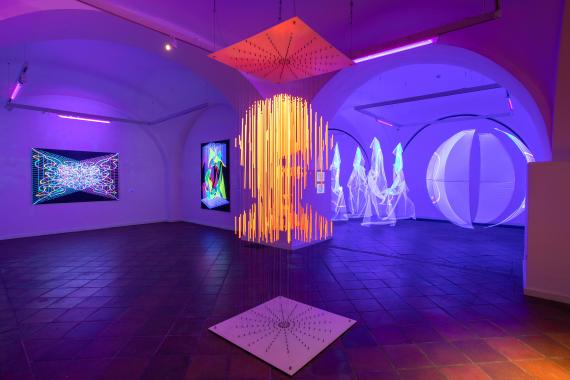
Temporary exhibition 2025.03.28. - 2025.05.11.
Vasarely Museum, Budapest

M80

András Mengyán, a distinguished artist, designer, and professor, is a leading figure in Hungarian visual and applied arts, having been awarded the prestigious Prima Primissima Prize in 2024. continue
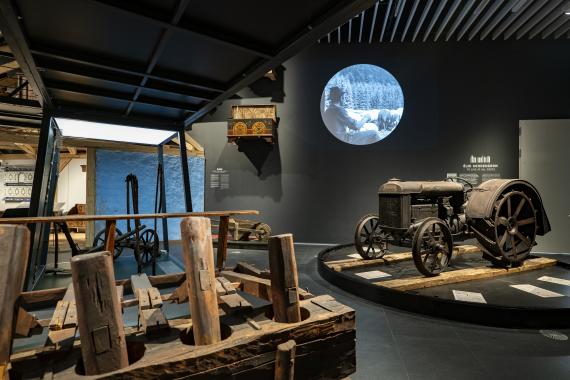
Temporary exhibition 2024.10.15. - 2025.08.31.
Museum of Ethnography, Budapest

Székelys

Who are the Székelys really? What do we know about Székely Land? What ideas and beliefs do we have about the Székely people? What is the reality? How do the people of Székely Land see themselves? continue
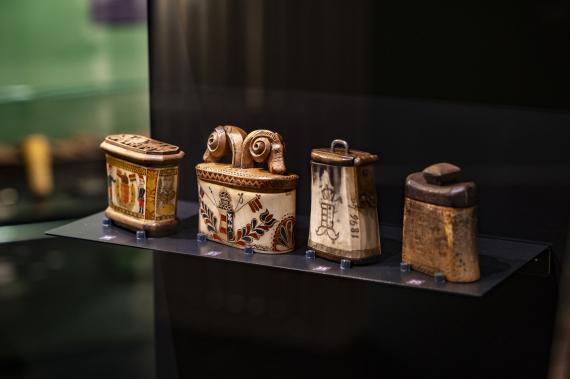
Temporary exhibition 2024.12.13. - 2025.06.30.
Museum of Ethnography, Budapest

Our Most Brilliant Mind and the First Among Hungarian Scientists: Ottó Herman

By staging this joint exhibition, the Museum of Ethnography and the Museum of the Hungarian Parliament pay tribute to the memory of the great Hungarian polymath Ottó Herman on the occasion of the 190th anniversary of his birth and the 110th anniversary of his death. continue
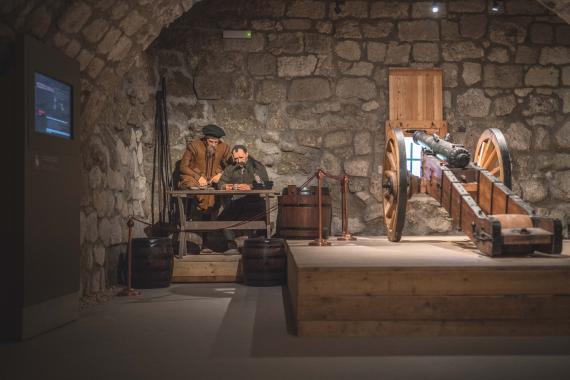
Permanent exhibition
István Dobó Museum, Eger

Gunpowder smoke among the stones of the fortress...

The outer and inner castle system was developed in the 1540s. The passage between them was the Dark Gate which is still visible today. The outer castle was destroyed in 1702, but the gate continued to be used and was only walled up at the beginning of the 19th century. continue
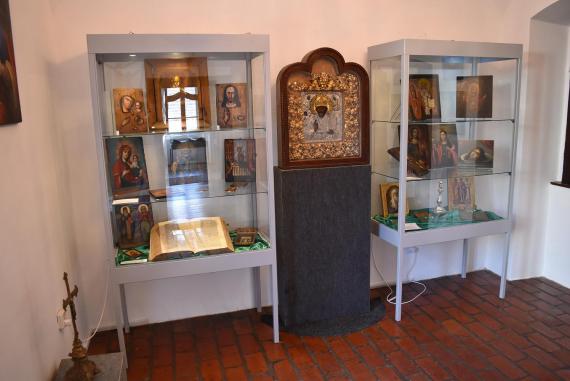
Permanent exhibition
Tokaj Museum, Tokaj

Ecclesiological Exhibition

One of the most spectacular and the most valuable unit of the museum’s permanent exhibition is the ecclesiological exhibition on the first floor. Mr. Béla Béres, a priest from Tokaj offered his 800 pieces collection to his favourite town’s museum in 1981. continue
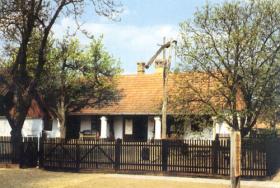
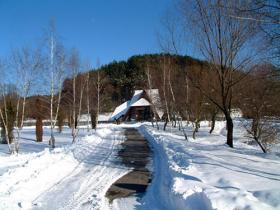
The building of the country house from the side of the Facade
The open-air popular museum was founded in 1980. The work was supervised by the Hungarian Agricultural Museum. The value of the museum can be found not only in the items exhibited here, but also in the unity that characterized the collecting work. Objects and donations were given absolutely free of charge, though in many cases they proved rather valueable. continue
The museum building
From 1980 the rebuilt museum extended its sphere of activities, and specialized for the collection of material and historical items of the modern age. In the literary history collection there are a number of Mikszáth and Madách relics. By means of the inheritance of Ernő Mihályfi the fine arts collection significantly increased. continue
The museum building
The estimated time of Germans arriving to Budakalász from the villages Üröm, Borosjenő and other various villages near Buda is around the 1820-30's. At first they were involved in farming but unfortunately, the philoxera epidemic put an end to vine production. continue
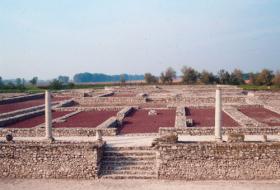
Archeologic park
In the ares of 150-200 hectares there stood a military camp in the 1st century after Christ. In the 2nd and 3rd centuries it served as a residency for region committees (concilium provinciae) of Pannonia Inferior province. From the end of the 3rd century a new town was built in the place of the ruined settlement. Its name was Herculia, which probably was the county townl of Valeria province. continue
Museum entrance
The world famous area on 510 acres was declared protected in 1944. It is now the pearl of our geological legacy as it is an unparalleled quarry of prehistory demolished by a volcano 20 million years ago. continue
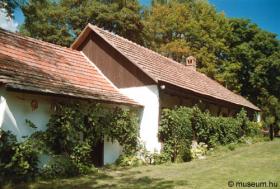
The museum building
A definitive role in the foundation of the museum was taken by Mrs. István Lapu who was collecting the objects of peasant interior, costume and farming for decades. Originally the house belonged to the rich peasant Szalai family. It got its present form at the beginning of the 20th century. continue
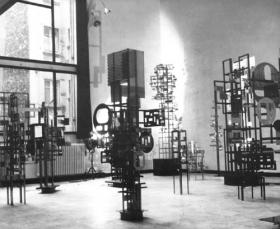
The Studio
Schöffer's student and colleague, Lajos Dargay put together the items of the permanent exhibition. The collection of 46 pieces involve works of space dynamics as well as those of cybernetics. (Near the museum there stands the 27 metres high Light House, which also reflects credit on the master. continue